Category: Uncategorized

  • Why Strategic Recruiting Solutions Will Change the Way Your Small Business Wins the Talent War

    Why Strategic Recruiting Solutions Will Change the Way Your Small Business Wins the Talent War

    Let’s be honest: the talent war isn't just a catchy headline: it’s a daily tactical struggle. As a small business owner, you’re not just competing with the shop down the street; you’re going head-to-head with corporate giants armed with massive budgets, dedicated HR armies, and brand recognition that spans the globe. If you feel like you’re bringing a knife to a gunfight, it’s time to change your strategy.

    Winning in today’s market requires more than just posting a "Help Wanted" ad and hoping for the best. It requires strategic recruiting solutions: a mission-focused, disciplined approach to finding the men and women who will not only do the job but will also elevate your entire organization. At Legacy Vanguard Scott Group, we don’t just fill seats. We deploy over 50 years of combined military and corporate leadership experience to help you recruit with the precision of an elite unit.

    If you’re tired of the revolving door of hiring, it’s time to stop reacting and start executing.

    The High Cost of the "Warm Body" Strategy

    Most small businesses fall into a dangerous trap: reactive hiring. Someone quits, the workload spikes, and suddenly you’re desperate. You hire the first person who doesn't trip over the doorstep during the interview because you need a "warm body" in the chair.

    That "warm body" is costing you a fortune. Between job board fees, the time spent screening subpar resumes, the cost of training, and the inevitable dip in team morale when that person fails to perform, a bad hire can cost a small business tens of thousands of dollars. Worse yet, it dilutes your culture.

    Strategic recruiting solutions move you away from "desperation hiring" and toward "intentional selection." By treating HR staffing for small business as a strategic function rather than an administrative burden, you protect your bottom line and your company’s future.

    Hourglass with shredded money on a desk, representing the high cost of bad HR staffing for small business.

    Military-Grade Precision in Recruiting

    In the military, we don't just put anyone in a specialized role. We look for a specific blend of aptitude, character, and discipline. At Legacy Vanguard Scott Group, we apply that same rigor to your hiring process. We bring a veteran-led vibe to the corporate world, focusing on "Commander's Intent": understanding exactly what success looks like for your specific mission before we even look at a resume.

    Our approach to strategic recruiting solutions isn’t about checking boxes; it’s about finding the "Special Ops" talent for your team. This means:

    • Defining the Objective: We work with you to identify the core competencies and character traits required for the role.
    • Rigorous Screening: We don't just look for what’s on paper; we look for the discipline and drive that mirror the high standards we maintained in uniform.
    • Mission Alignment: We ensure every candidate understands your "why" before they ever step foot in your office.

    Why You’re Losing Talent (And How to Fix It)

    The giants have the money, but you have the mission. Most top-tier talent isn't looking for just another paycheck: they’re looking for a place where they can make a lasting impact. If you aren't winning the talent war, it’s likely because your recruiting process is bogged down in "old school" thinking.

    1. You’re only looking at active candidates. The best people are usually already working. They aren't scrolling through Job Boards at midnight. Strategic recruiting involves "passive sourcing": proactively hunting for the talent that fits your culture, even if they aren't looking for a move yet.
    2. Your process is too slow. In the time it takes you to review a resume, a larger competitor has already made an offer. We help you streamline your "meeting cadence" and decision rights to ensure you move with speed and agility.
    3. You’re hiring for skills, not culture. Skills can be taught; character cannot. If your new hire doesn’t align with your values, they will eventually become a liability.

    Check out our Recruitment and Placement Form to see how we begin the process of aligning talent with your unique mission.

    A glowing tactical city map highlighting elite talent found through specialized strategic recruiting solutions.

    Culture-Aligned Talent: The Vanguard Standard

    Culture isn't a poster on the wall; it’s the standard of behavior that your team lives by every day. When we talk about delivering culture-aligned talent, we mean finding individuals who possess the same grit, integrity, and accountability that define the Legacy Vanguard Scott Group.

    When you partner with us for HR staffing for small business, we act as an extension of your leadership. We don’t just send you a stack of resumes. We provide a curated list of individuals who have been vetted through our proprietary lens of leadership development. We look for the "force multipliers": the people who make everyone around them better.

    This level of precision ensures that you aren’t just "hiring"; you are building a legacy. Our Capabilities Statement outlines exactly how we bring this specialized focus to every engagement.

    Stop the Revolving Door

    The "revolving door" is the silent killer of small business growth. Every time a team member leaves, you lose institutional knowledge, you lose momentum, and you lose money. Strategic recruiting is the lock on that door.

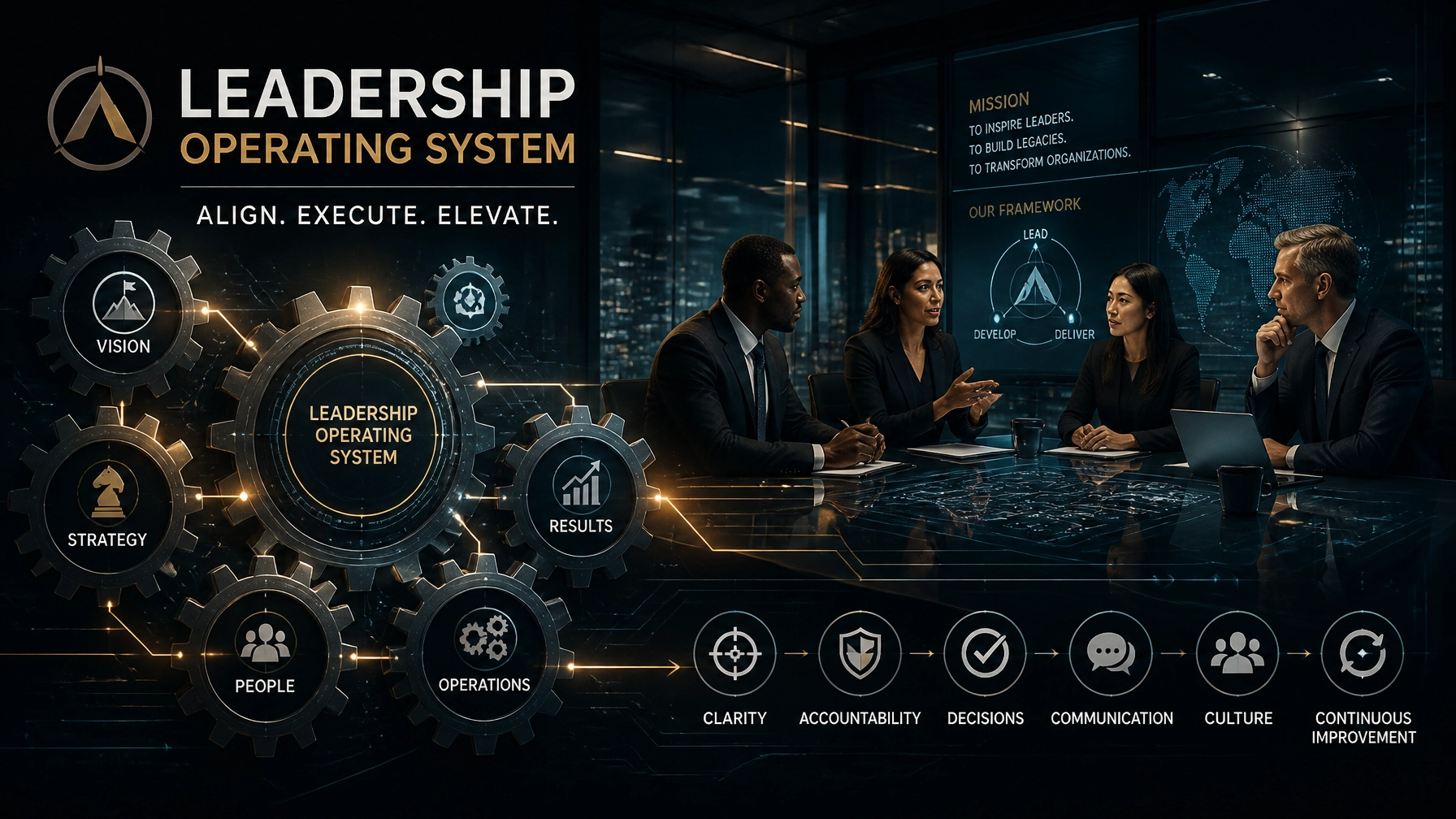
    By implementing a structured, repeatable recruitment process: what we call a "Leadership Operating System" for talent: you create a predictable pipeline of high-performers. This isn't a quick fix; it’s a long-term investment in your company’s operational excellence.

    Our Executive Coaching and recruiting services work in tandem. We help you build the leadership team you need, then we help you coach them to achieve breakthrough performance.

    Professional team standing together under a rising sun, embodying a strong leadership operating system.

    The Strategic Advantage: Competing with the Giants

    Small businesses often feel they can't compete with big tech or massive corporations when it comes to benefits and salaries. But here’s the truth: top-tier talent is often exhausted by the bureaucracy and "cog-in-the-machine" feel of large organizations.

    They want what you have: agility, purpose, and the ability to see the direct results of their work.

    Strategic recruiting solutions allow you to leverage these strengths. By positioning your business as an elite, purpose-driven unit, you attract the kind of people who are bored by corporate fluff and energized by high-stakes challenges. We help you craft that narrative and find the people who are ready to answer the call.

    It’s Time to Lead with Confidence

    The talent war is won or lost in the preparation. If you’re ready to stop settling for "good enough" and start demanding excellence, Legacy Vanguard Scott Group is ready to stand in the gap with you.

    We bring the discipline of 50+ years of military service to your HR needs. We don't do "average." We don't do "status quo." We provide the strategic recruiting solutions that small businesses need to dominate their market and build a team that lasts.

    Are you ready to strengthen your team and elevate your leadership?

    Take Action Now:

    • Explore our full suite of Services to see how we can transform your organization.
    • Hear from other leaders who have stepped up their game on our Reviews page.
    • Contact Us today to schedule a mission briefing.

    Don't just build a business: build a legacy. The war for talent is on. Let’s make sure you’re the one who wins.

  • The Ultimate Guide to Executive Leadership Development Programs: Building a Culture of High Accountability

    The Ultimate Guide to Executive Leadership Development Programs: Building a Culture of High Accountability

    Let’s be real for a second: as an SMB owner or manager, do you ever feel like you’re more of a glorified babysitter than a visionary leader? You set a goal, you communicate the vision, and then… somewhere between the meeting room and the front lines, things fall apart. You’re left dealing with missed deadlines, "I thought he was doing it" excuses, and a general sense of stagnation.

    That’s not a personnel problem. That’s a culture problem. Specifically, it’s an accountability problem.

    In the military, we call this a breakdown in Commander’s Intent (Strategic Alignment). When the team doesn’t understand the "why" or their specific role in the "how," the mission fails. In the corporate world, the solution is much the same: you need to harden your leadership core. This is where executive leadership development programs come into play. These aren't just "feel-good" seminars; they are the strategic blueprints for building a legacy of excellence.

    What Are Executive Leadership Development Programs, Really?

    At Legacy Vanguard Scott Group, we don’t look at leadership as a title on a business card. We look at it as an Operating System (Organizational Environment).

    Executive leadership development programs are specialized, high-impact training regimens designed to level up the skills of your top-tier talent and high-potential leaders. We’re talking about moving beyond daily fire-fighting and moving into strategic decision-making, change management, and high-level communication.

    Think of it as upgrading your company’s internal software. If your managers are running on "Leadership 1.0" (micro-managing and reacting), your business will eventually crash. You need "Leadership 2.0": a proactive, disciplined, and accountable framework that empowers your team to lead even when you aren't in the room.

    Diverse executive team collaborating on strategic alignment within a leadership development program.

    The Civilian Translation Layer: High Accountability

    We talk a lot about "High Accountability" here at Vanguard. In a military context, this is the bedrock of SOPs (Standard Operating Procedures) and Discipline. In your business, this translates to a culture where every team member owns their outcomes: no excuses, no finger-pointing.

    But how do you build that culture? It starts at the top. You can't demand accountability from your staff if your executive team is playing the blame game. Management coaching and training is the tactical tool we use to bridge that gap. It ensures that your leaders aren't just "bosses," but are elite coaches capable of driving performance through clarity and trust.

    Why SMBs Need This Now

    Most small to mid-sized businesses reach a plateau. You’ve got the product-market fit, you’ve got the customers, but the internal "Operational Rhythm" (Battle Rhythm) is chaotic. Without a structured leadership program, you’re essentially flying a plane while trying to build it.

    Investing in an executive program allows you to:

    1. Stop the Talent Drain: High performers leave organizations where leadership is weak or inconsistent.
    2. Drive Results: Accountability directly correlates to your bottom line.
    3. Scale with Confidence: You can’t grow if you’re the only person who knows how to make a decision.

    The Core Pillars of a High-Accountability Culture

    An effective executive leadership development program focuses on three key areas to ensure that accountability isn't just a buzzword, but a lived reality.

    1. Structured Feedback Systems

    In high-stakes environments, we use the AAR (After-Action Report/Strategic Debrief). After every "mission" or project, the team sits down to discuss what went right, what went wrong, and how to improve.

    In your business, this looks like 360-degree assessments and regular 1:1 coaching sessions. It’s about creating a safe but rigorous space where leaders can receive honest feedback on their performance. When feedback becomes a regular part of your Operational Rhythm (Battle Rhythm), people stop taking it personally and start taking it professionally.

    2. Peer Accountability Networks

    Leadership can be a lonely island. That’s why the most successful programs involve peer groups. Whether it’s an internal cohort of your managers or an external group of fellow CEOs, having a "Peer Advisory" group creates a natural pressure to perform. When you have to stand in front of a group of people you respect and explain why you didn't hit your targets, you’re much more likely to find a way to get it done.

    3. Real-World Simulations

    You don't learn to lead by reading a book; you learn by leading. Top-tier management coaching and training incorporates business simulations and real-world tactical challenges. At Legacy Vanguard Scott Group, we focus on "Ground Truth": the reality of what’s happening in your business right now. We take the theories and apply them to your specific organizational hurdles to ensure the lessons stick.

    Leaders engaging in management coaching and training during a strategic debrief session.

    Choosing the Right Program for Your "Vanguard"

    Not all executive leadership development programs are created equal. Some are academic and theoretical, while others are "all hype and no substance." For an SMB looking for actual results, you need a program that balances rigor with reality.

    When evaluating a program, look for these "Vanguard" qualities:

    • Customization: Does it address your specific "Decision Rights" (who owns what) and unique organizational challenges?
    • Action-Oriented: Is it focused on "Measurable Behavior Change" or just "Attendance"?
    • Sustainability: Does it offer long-term coaching or is it a "one-and-done" weekend retreat?
    • Mission-Driven: Does the program align with your company's core values and the legacy you want to build?

    How to Start Building Your Leadership Operating System

    If you’re ready to stop the "babysitting" cycle and start leading a high-performance team, here is your initial Sitrep (Situation Report/Status Update) checklist:

    1. Identify Your High-Potentials: Who are the people in your organization who have the "grit" but need the "gear"?
    2. Define Your Commander’s Intent: If you could only give one sentence of direction for the next six months, what would it be? Does your leadership team know it?
    3. Audit Your Accountability: Do you have clear SOPs (Standard Operating Procedures) for how work gets done and how mistakes are handled?
    4. Invest in Professional Guidance: Leadership is a skill, not a personality trait. Find a partner who can provide the executive coaching intake form to get the process started.

    Executive coaching session between a mentor and a high-potential leader in a modern workspace.

    The Bottom Line: Your Legacy Starts with Your Leaders

    Your business will only ever be as strong as the people leading it. By implementing a robust executive leadership development program, you aren't just checking a box for HR. You are fortifying your organization's future. You are building a culture of high accountability where excellence is the standard, not the exception.

    At Legacy Vanguard Scott Group, we specialize in helping SMB owners and managers harden their culture and empower their teams. We believe that with the right discipline and the right training, any organization can achieve breakthrough performance.

    The "Battlefield" of business is constantly changing. Are your leaders equipped to win?

    Who’s ready to harden their culture and build a legacy? 🔥 🌐 https://www.legacyvanguardscott.com/ 🌐
  • Skills vs. Titles: How to Choose the Best Strategic Recruiting Solutions for Your SMB

    Skills vs. Titles: How to Choose the Best Strategic Recruiting Solutions for Your SMB

    In the high-stakes theater of small and mid-sized business (SMB) operations, your team is your most valuable asset. But let’s be honest: the traditional way of hiring: scanning a résumé for impressive-sounding job titles: is increasingly becoming a liability. We’ve all been there. You hire a “Vice President of Sales” from a Fortune 500 company, expecting them to ignite your revenue growth, only to realize three months later that their primary skill was managing a massive administrative staff, not actually closing deals in the trenches of a growing business.

    The mismatch between a candidate’s title and their actual capability is what we call the "Title Inflation Trap." For an SMB, where every hire must be a force multiplier (an efficiency booster and high-impact asset), falling into this trap isn’t just an inconvenience; it’s a threat to your operating system (the core organizational processes and culture).

    To win in today’s market, leadership must pivot. We need to stop hiring for the "what" people were called and start hiring for the "how" they actually execute. This is where strategic recruiting solutions come into play, moving beyond the surface level to find the grit, the skill, and the cultural alignment that actually moves the needle.

    The Title Inflation Trap: Why Names Can Be Deceiving

    Job titles have become the currency of the corporate world, and like any currency, they are subject to inflation. In many modern organizations, titles are handed out as a low-cost way to reward employees when the budget for raises is tight. Suddenly, everyone is a "Director" or a "Lead Specialist."

    For an SMB owner or HR lead looking for HR staffing for small business, this creates a fog of war (a state of uncertainty and lack of clarity). When you see a "Marketing Manager" on a résumé, does that mean they can build a strategic roadmap from scratch? Or does it mean they spent two years posting pre-approved content to LinkedIn?

    Relying on titles alone ignores the reality that job requirements evolve faster than HR departments can update their handbooks. A data scientist ten years ago needed R and SAS; today, they need Python, machine learning, and cloud infrastructure knowledge. If you are hiring based on the title used in 2016, you are already behind.

    Professional analyzing data to prioritize skills over titles using strategic recruiting solutions.

    Mapping the Mission: Identifying Core Skills

    Before you post a job description, you need to establish the Commander’s Intent (strategic alignment and executive goal setting). In the military, the Commander’s Intent describes the desired end state of an operation. It tells the team why they are doing what they are doing, even if the original plan falls apart.

    In business, your "Commander’s Intent" for a role should focus on the specific problems that need solving. Instead of saying, “I need a Project Manager,” ask yourself:

    • Do I need someone to manage complex timelines across remote teams?
    • Do I need someone to translate technical jargon for non-technical clients?
    • Do I need someone who can audit our internal workflows to find 10% more efficiency?

    By identifying these core skills, you create a "load-out" (a specific set of required tools and competencies) for the role. This allows you to look past the title on a candidate’s LinkedIn profile and see if they actually possess the tactical proficiency required to achieve breakthrough performance.

    Why Skills-Based Hiring is the Ultimate Strategic Recruiting Solution

    Strategic recruiting solutions aren't just about finding people; they are about improving organizational culture by ensuring every new hire can actually pull their weight. Research shows that 75% of job applications are unqualified for the roles they apply for. For an SMB, manual screening is a drain on your most precious resource: time.

    Transitioning to a skills-based approach offers several "Apex" advantages:

    1. Broader Talent Pools: By focusing on skills rather than specific past titles or degrees, you open the door to non-traditional candidates who may have the exact experience you need but haven't occupied the "standard" role yet.
    2. Reduced Bias: When you use standardized scoring rubrics (structured evaluation criteria), you evaluate every candidate on the same playing field. This removes the "halo effect" of a candidate having worked at a famous company, focusing instead on their measurable behavior.
    3. Increased Retention: People hired for their skills tend to be more engaged because they are actually capable of doing the work. This reduces the "Strategic Debrief" (After-Action Review or project post-mortem) where you have to figure out why a new hire failed to meet expectations.

    Diverse team using strategic recruiting solutions to build a high-performance organizational culture.

    Leveraging Technology for HR Staffing for Small Business

    Small businesses often feel they can’t compete with the recruiting budgets of giants. However, the current landscape of AI-powered tools leveled the playing field. To implement a skills-first strategy, SMBs should look for platforms that offer:

    • Anonymized Screening: To reduce unconscious bias and focus purely on competency.
    • Integrated Workflows: Automating the administrative heavy lifting of onboarding so you can focus on personalized 1:1 leadership.
    • Skills Assessment Integration: Using tools that allow candidates to demonstrate their "on-site engagement" (Management by Walking Around or Battlefield Circulation) through practical tests or simulations.

    At Legacy Vanguard Scott Group, we believe that technology should support, not replace, human judgment. Our approach to strategic recruiting solutions involves using these tools to filter for excellence, followed by our custom-tailored assessment techniques to ensure the "soft" skills match the "hard" requirements.

    The Legacy Vanguard Scott Group Approach: Military-Honed Rigor

    When we talk about finding culture-aligned talent, we aren't talking about finding people who share the same hobbies as the CEO. We are talking about finding people who share the same discipline, accountability, and commitment to the mission.

    We use military-honed assessment techniques to vet candidates. This means looking for:

    • Adaptability: Can they handle a change in the "Rhythm of Battle" (operational rhythm)?
    • Decision Rights: Do they understand when to take the initiative and when to seek guidance?
    • Integrity: Do their past actions demonstrate a commitment to the team over the self?

    For us, recruiting is about building a legacy. We don’t just fill seats; we strengthen the "Operating System" of your business. Whether you are looking at our services or filling out a recruitment and placement form, our goal is the same: to empower you with a team that can operate autonomously under your strategic intent.

    Leader engaging in 1:1 strategic alignment to improve organizational culture and HR staffing for small business.

    Steps to Implement a Skills-First Recruiting Strategy Today

    If you’re ready to move away from the "Title Trap" and elevate your hiring game, follow these tactical steps:

    1. Audit Your Current Job Descriptions

    Strip away the "years of experience" requirements and the generic "must be a team player" fluff. Replace them with specific, measurable skills. Instead of "5 years in Sales," try "Proven ability to manage a pipeline of 50+ leads using HubSpot."

    2. Standardize Your Interview Process

    Every candidate for a specific role should be asked the same questions. This allows you to compare apples to apples during your selection process. Use a rubric to score responses based on the skills you identified earlier.

    3. Conduct "Strategic Debriefs" on Past Hires

    Look at your best performers and your biggest hiring mistakes. What skills did the "stars" have that weren't on their résumés? What was missing from the people who didn't work out? Use this data to refine your future searches.

    4. Partner with Experts

    Sometimes, the best strategic move is knowing when to call in reinforcements. If your internal team is stretched thin, contact us to discuss how a custom-tailored recruiting strategy can help you find the talent that will drive your long-term success.

    Diverse team achieving breakthrough performance and long-term success through a custom recruiting strategy.

    Final Thoughts: Leading with Confidence

    Choosing the right talent is the most significant leadership challenge you will face. By shifting your focus from titles to skills, you aren't just filling a vacancy; you are hardening your culture and ensuring that your organization is built on a foundation of actual capability.

    Stop looking for the "perfect résumé" and start looking for the "perfect fit" for your unique mission. When you align the right skills with a clear Commander’s Intent, your SMB becomes unstoppable.

    Who’s ready to harden their culture and build a legacy? 🔥 🌐 https://www.legacyvanguardscott.com/ 🌐

  • The Ultimate Guide to Strategic Recruiting Solutions: Everything You Need to Scale Your Small Business in 2026

    The Ultimate Guide to Strategic Recruiting Solutions: Everything You Need to Scale Your Small Business in 2026

    As we navigate the complexities of 2026, the landscape of talent acquisition has shifted from simple "hiring" to high-stakes Strategic Recruiting Solutions. For small business owners, the challenge is no longer just finding a body to fill a seat; it is about building a high-performing unit capable of sustained excellence. You are not just looking for employees: you are looking for "Mission-Critical Assets" (Key Personnel) who will define your legacy.

    At Legacy Vanguard Scott Group, we understand that scaling a small business requires the discipline of a military operation and the agility of a tech startup. To win the talent war this year, you must move beyond the "Post and Pray" method. You need a comprehensive HR staffing for small business strategy that integrates technology, culture, and high-accountability leadership.

    The Civilian Translation Layer: Why Our Method Works

    To lead effectively in the private sector, we must bridge the gap between tactical military precision and corporate strategic growth. This "Civilian Translation Layer" ensures that the discipline of the veteran experience is applied correctly to your business operations.

    • Commander’s Intent (Strategic Alignment): In the field, every soldier knows the goal even if the plan changes. In your business, every new hire must understand your "North Star" to make independent decisions that align with your growth.
    • AAR / After Action Review (Strategic Debrief): We don't just hire and move on. We analyze the recruitment process to see what worked and what didn't: driving measurable behavior change in how you select talent.
    • Rhythm of Battle (Operational Rhythm): Successful recruiting isn't a one-off event; it’s a consistent cadence of sourcing, vetting, and onboarding that keeps your pipeline full.
    • Mission Command (Empowered Execution): We hire for the ability to lead without constant supervision, allowing you to scale without becoming a bottleneck.

    Diverse leadership team collaborating on strategic recruiting solutions for small business scaling.
    Diverse professionals in a modern collaborative environment, symbolizing the blend of disciplined strategy and innovative corporate culture.

    Redefining Success: Outcome-Focused Job Profiles

    One of the most common mistakes in HR staffing for small business is writing job descriptions that are merely lists of tasks. In 2026, top-tier talent isn't looking for a list of chores; they are looking for a mission.

    Strategic recruiting starts with co-creating job profiles that focus on early-impact deliverables. Instead of listing "5 years of experience," define what success looks like in the first 30, 60, and 90 days. This creates an "Operating System" for the role: clarifying decision rights and expectations from day one. When a candidate sees a roadmap for success rather than a vague list of duties, you attract high-performers who are wired for accountability.

    The 2026 Recruiting Tech Stack: High Tech, High Touch

    You don't need a multi-million dollar HR budget to compete with the giants. You need a streamlined, automated "Recruiting Intelligence System" (Automated Sourcing Pipeline). In 2026, small businesses can leverage a "Tiered" approach to technology that handles 90% of the heavy lifting.

    1. Applicant Tracking Systems (ATS): Platforms like JuggleHire or specialized modules in ADP allow you to manage candidates with a visual Kanban board. This ensures no high-quality lead falls through the cracks.
    2. AI-Powered Sourcing: Tools like Paychex Recruiting Copilot use AI to find candidates who aren't even looking for a job but possess the exact skill sets you need.
    3. Strategic Onboarding Automation: The first week of a new hire’s tenure determines their long-term retention. Automated workflows ensure they have the tools, training, and "Commander’s Intent" (Strategic Alignment) they need to hit the ground running.

    By automating the administrative "clutter," you free up your leadership team to focus on the "Apex" (High-Value) activity: assessing cultural fit and leadership potential.

    HR professionals using advanced recruiting technology and AI to analyze candidate data.
    A diverse group of leaders reviewing digital analytics and candidate profiles, representing the integration of AI and human intuition in recruiting.

    Culture as Your "Strategic Advantage" (Competitive Edge)

    Large corporations can outbid you on salary, but they rarely can outmaneuver you on culture. Your organizational culture is your moat. Strategic recruiting solutions focus heavily on "Culture-Aligned" hiring.

    We encourage our clients to implement an incentive-based employee referral program. Your current high-performers likely know other high-performers who share their work ethic and discipline. By offering a referral bonus: for example, a payout after the new hire completes their first 90-day "Strategic Debrief": you turn your entire staff into a recruitment force.

    However, be wary of "Culture Rot." This happens when you hire for skill but ignore character. A single high-performer with a toxic attitude can dismantle your "Operational Rhythm" faster than you can build it. Use strategic recruiting solutions to filter for candidates who value accountability as much as you do.

    Scaling with Purpose: HR Staffing for Small Business

    As you scale, the "Meeting Cadence" and complexity of your organization will increase. Many small business owners hit a ceiling where they can no longer manage recruiting personally. This is where professional HR consulting and recruitment becomes essential.

    Strategic recruiting is not just about placing a person; it’s about ensuring that person fits into your broader Capabilities Statement. Whether you are looking for executive-level leadership or frontline staff, the process must be rigorous and standardized.

    The Legacy Vanguard "Apex" Approach to Recruiting:

    • Phase 1: Discovery & Reconnaissance. We identify the gaps in your current team and define the "Mission-Critical" roles needed for the next 12 months.
    • Phase 2: Targeted Engagement. Using a mix of AI tools and personal networks, we source candidates who fit your specific "Operating System."
    • Phase 3: Rigorous Vetting. We move beyond the resume to test for resilience, decision-making, and alignment with your core values.
    • Phase 4: Integration & Sustainment. We assist with the onboarding process to ensure the "Civilian Translation Layer" is applied, helping the new hire understand your unique business language.

    Diverse group participating in veteran-led leadership training to improve organizational culture.
    A veteran-led leadership training session showing a diverse group of professionals focused on strategic planning and team building.

    Building Your 2026 Roadmap

    Scaling your business in 2026 requires a shift in mindset. You are no longer just an owner; you are a "Commander" (Chief Executive) building a legacy. Every hire is a brick in that foundation. If your current recruiting process feels like a "firefight" (Crisis Management), it’s time to move toward a disciplined, strategic model.

    By focusing on outcome-based profiles, leveraging lean technology, and maintaining a culture of high accountability, you can build a team that doesn't just work for you: they win for you.

    If you are ready to stop the "Culture Rot" and start building a high-performance team that reflects your standards, we are here to help. Our veteran-led approach brings a level of discipline and clarity that is rare in the traditional HR world. We don't just provide "staffing"; we provide the leadership framework necessary for your team to thrive.

    Explore our services or complete our executive coaching intake form to see how we can align your recruiting strategy with your long-term vision.

    Who’s ready to harden their culture and build a legacy? 🔥 🌐 https://www.legacyvanguardscott.com/ 🌐

    Successful executive team looking over a city, symbolizing long-term strategic growth and legacy.
    A diverse team of professionals shaking hands and celebrating a successful strategic launch, symbolizing long-term partnership and success.

  • The 3 Critical Friction Points Holding Your Small Business Back (And How to Break Through)

    The 3 Critical Friction Points Holding Your Small Business Back (And How to Break Through)

    If you are a small to mid-size business owner, a veteran transitioning into the corporate space, or a woman leader carving out a legacy in a high-stakes industry, you already know one thing: growth isn't a straight line. It’s a series of skirmishes. Some days you’re winning the ground, and other days it feels like the fog of war has settled over your entire office.

    At Legacy Vanguard Scott Group, we see it every day. You have the passion, the product, and the drive. But somewhere between "Startup" and "Scalable Empire," friction starts to build. Your wheels are spinning, but the vehicle isn't moving forward.

    In the military, we call this "frictional heat." In business, we call it a plateau. If you’re feeling stuck, it’s likely because of three specific friction points that act like an anchor on your progress. It’s time to cut the line. Let’s translate these tactical hurdles into leadership victories.


    1. The ‘Tactical Overload’ Trap (Reactive Management)

    In the tactical world, there is a dangerous phenomenon known as "Fighting the Map." This happens when a leader becomes so obsessed with the symbols on the paper, the reports, the spreadsheets, the "way things should be", that they ignore the actual cliff face standing right in front of them.

    In the business world, we call this Reactive Management.

    Are you spending your entire day "firefighting"? If your morning starts with sixty unread emails, three "quick questions" from staff that turn into hour-long sessions, and a calendar so packed you haven't eaten lunch since 2022, you are in the Tactical Overload trap. You are fighting the map instead of leading the mission.

    When a leader is stuck in the weeds, they become the ultimate bottleneck. Your team can’t move because they’re waiting for your "OK." Your strategy stalls because you’re too busy fixing a printer or micro-managing a social media post. Reactive management isn't just exhausting; it’s a growth killer. It prevents you from looking at the horizon to see the next big opportunity, or the next big threat.

    The Breakthrough: Executive Coaching
    Breaking this cycle requires a fundamental shift in your internal operating system. This is where executive coaching for leaders becomes a force multiplier. Through our personalized 1:1 sessions, we help you transition from the "Player" role to the "Coach" role. We work on delegating with confidence, identifying your "High-Value Activities," and reclaiming the white space on your calendar. You weren't born to manage spreadsheets; you were born to lead people.

    Female executive overlooking a sunrise, symbolizing executive coaching for leaders to overcome tactical overload.


    2. The Execution Gap (Broken Operating Systems)

    Have you ever given a clear instruction to your team, only to have the final result look absolutely nothing like what you imagined? That is the Execution Gap.

    In military terms, we solve this with Commander’s Intent. It’s the "Why" behind the "What." When everyone understands the end state, they can innovate when things go wrong. In the civilian sector, we call this Strategic Alignment.

    Most small businesses suffer from "Broken Operating Systems." This doesn't mean your software is glitchy; it means your human systems are failing. Signs of a broken system include:

    • Unclear Decision Rights: Your team doesn't know what they are allowed to say "yes" to, so they ask you for everything.
    • Vague Meeting Cadences: You have meetings about meetings, but no one leaves with a clear list of action items.
    • The "Telephone Game": Your vision gets diluted as it passes from you to your managers to your frontline staff.

    Without strategic alignment, your goals are just wishes. You might have a "Mission Statement" on the wall, but if your daily operations don't reflect it, you’re just creating friction.

    The Breakthrough: Leadership Consulting
    To bridge the gap between a goal and its execution, you need a rigorous Leadership Development & HR Consulting approach. We help you install a high-performance "operating system" within your company. This includes defining clear decision rights, establishing an efficient meeting cadence, and ensuring every member of your team is aligned with your strategic intent. When your team knows the mission, they don't need a map; they just need to move.

    A bridge connecting strategy to results, illustrating strategic alignment and leadership development consulting.


    3. The Talent Friction (HR and Recruiting)

    "Amateurs study tactics; professionals study logistics." In the business world, your logistics are your people.

    Many small and mid-size businesses are currently losing the "talent war." Why? Because they are recruiting based on a pulse and a resume rather than culture and competence. This is Talent Friction.

    If you have a "revolving door" of employees, or if you feel like you’re constantly babysitting underperformers, your recruiting strategy is broken. You aren't just looking for someone who can do the job; you’re looking for someone who fits the tribe. Small businesses often lack a strategic recruiting solution, leading them to hire out of desperation. This results in "Manpower Friction": where you have enough people, but they aren't the right people, and they’re actually slowing you down.

    The Breakthrough: HR Staffing Solutions
    Stop settling for "good enough." Your legacy depends on the quality of the people you bring into the fold. Our HR staffing for small business programs are designed to find culture-aligned talent that strengthens your front line.

    We offer a tiered approach to meet you where you are:

    • Ignite: Essential HR and recruiting support to get your foundation solid.
    • Elevate: Advanced strategies for growing teams that need high-level talent and culture-building.
    • Apex: The premium tier for organizations ready to dominate their market with elite-level leadership and organizational design.

    By focusing on culture-aligned recruiting, you turn your workforce into a competitive advantage rather than a source of stress.

    Elite team of professionals representing HR staffing for small business and strategic recruiting solutions.


    Final Thoughts: Leading from the Front

    The friction points of Reactive Management, Broken Operating Systems, and Talent Friction are common, but they are not inevitable. Breaking through requires more than just "working harder." It requires the discipline to step back, assess the battlefield, and implement proven systems that empower your team to win.

    At Legacy Vanguard Scott Group, we don't just offer advice; we offer a transformation. Whether it’s through leadership development consulting or strategic recruiting solutions, our mission is to ensure your business doesn't just survive: it leaves a legacy.

    Stop fighting the map. Start leading the mission.

    Who’s ready to harden their culture and build a legacy? 🔥 🌐 https://www.legacyvanguardscott.com/ 🌐

  • Are You Making These Common Strategic Recruiting Mistakes? Why Your Small Business is Still Struggling to Fill Seats

    Are You Making These Common Strategic Recruiting Mistakes? Why Your Small Business is Still Struggling to Fill Seats

    You walk into the office Monday morning, and there it is. Again. The empty chair in the corner of the room. That desk belongs to a position that’s been vacant for three months, or worse, it belongs to the person who just quit after only three weeks on the job.

    In the world of small business and healthcare, an empty chair isn’t just a minor inconvenience. It’s a gap in your Commander’s Intent (Strategic Alignment). It means your current team is overworked, your patient or client care is slipping, and your bottom line is taking a direct hit. You’ve posted the ads. You’ve scrolled through LinkedIn until your eyes blurred. You’ve even offered a signing bonus. So, why are you still struggling to fill seats?

    At Legacy Vanguard Scott Group, we see this every day. Most small businesses aren't struggling because there’s a "talent shortage." They are struggling because their recruitment process is built on a foundation of "Post and Pray" rather than a Strategic Recruiting Solution.

    Let’s break down the tactical errors that are keeping your business from reaching its full potential and how you can pivot to build a team that lasts.

    Mistake 1: Reactive Hiring (The "Warm Body" Trap)

    The most common mistake small business owners make is waiting until they are desperate to start hiring. When a key employee leaves, the immediate reaction is panic. You need someone: anyone: to handle the workload. This is what we call "plugging a hole in the line" instead of engaging in Operational Planning (Strategic Maneuvering).

    When you hire out of desperation, you lower your standards. You stop looking for the best fit and start looking for a "warm body" that can pass a background check.

    The problem? A bad hire is more expensive than no hire at all. Research shows that replacing an employee can cost up to twice their annual salary when you factor in recruiting, onboarding, and lost productivity. If you are constantly in a cycle of reactive hiring, you aren't building a business; you’re just managing a revolving door.

    The Fix: You need a proactive HR staffing for small business strategy. This means constantly networking and building a talent pipeline before you actually need to fill a seat. At LVSG, we teach our clients to maintain an Operational Cadence (Battle Rhythm) of recruitment, ensuring you are always positioned to attract top-tier talent, not just the "least bad" option available on a Tuesday afternoon.

    Diverse professionals implementing strategic recruiting solutions for effective HR staffing for small business.

    Mistake 2: Neglecting Culture Fit for Technical Skills

    We’ve all been there. You find a candidate whose resume is flawless. They have the certifications, the decade of experience, and the technical prowess that should make them a superstar. You hire them on the spot.

    Three months later, your team is miserable. This "superstar" is toxic, doesn't communicate, and refuses to follow your established processes.

    Small businesses often make the mistake of over-indexing on technical skills while completely ignoring improving organizational culture. In a large corporation, one "bad apple" might be buffered by thousands of other employees. In a small business or a specialized healthcare clinic, one person with the wrong attitude can dismantle your entire operation.

    The Fix: Hire for character, train for skill. While technical competency is non-negotiable, it should be the baseline, not the deciding factor. Your hiring process must include a rigorous evaluation of how a candidate aligns with your core values. This is where management coaching and training becomes vital. Leaders need to be trained on how to interview for "soft skills" and cultural alignment.

    When we work with executives, we emphasize that a candidate’s "Social Intelligence" is just as important as their "Technical Intelligence." If they don't fit the culture, they don't get the seat. Period.

    Mistake 3: The "Post and Pray" Method (Lack of System)

    If your recruitment strategy consists of writing a vague job description, posting it on a generic job board, and "hoping" the right person sees it, you are failing your business. In the military, we say "Hope is not a strategy." In the business world, we call this a lack of a Leadership Operating System.

    Most small business job descriptions are outdated or copied and pasted from a competitor. They are boring, they don't sell the vision of the company, and they don't clearly define what success looks like in the role.

    Furthermore, without Strategic Recruiting Solutions, you likely have no way to measure your success. Do you know your "Time-to-Fill" metric? Do you know which sourcing channels provide your highest-retention employees? If you aren't tracking data, you’re just guessing.

    The Fix: Professionalize your process.

    1. Define the Mission: Create a job scorecard that defines the 3–5 key outcomes this person must achieve in their first year.
    2. Market the Role: Treat recruitment like marketing. Why should a high-performer want to work for you?
    3. Use a Structured Interview: Stop relying on "gut feel." Use the same set of questions for every candidate and grade them on a standardized scale to eliminate bias.

    Leadership team using management coaching and training to foster improving organizational culture and growth.

    The LVSG Solution: The Dual-Service Model

    Most firms offer either coaching or staffing. They’ll either tell you how to lead, or they’ll send you resumes. The problem is that these two things are inextricably linked.

    At Legacy Vanguard Scott Group, we believe that you can't have a high-performing team without high-performing leadership, and you can't lead effectively if you have the wrong people on the bus. This is why our model is different. We combine Executive Leadership Development with a high-intensity Staffing Engine.

    Think of it as a Force Multiplier (Strategic Asset). We don't just find you a candidate; we ensure your internal culture is "hardened" and ready to receive that candidate so they actually stay.

    When you partner with us, we help you:

    • Perform a Strategic Debrief (AAR) of your past hiring failures.
    • Implement a Leadership Operating System that scales.
    • Identify and recruit talent that matches your high standards and mission-driven culture.

    Our veteran-led approach focuses on accountability, discipline, and results. We understand the unique pressures of the healthcare and SMB sectors because we’ve been in the trenches ourselves. We know that "good enough" isn't an option when lives or livelihoods are on the line.

    Stop Guessing. Start Building Your Legacy.

    Filling a seat is easy. Building a legacy is hard. If you are tired of the constant turnover, the frustration of "ghosting" candidates, and the feeling that you’re always one resignation away from a crisis, it’s time to change your approach.

    Your small business deserves a team that is as committed to your mission as you are. By moving away from reactive, unstructured hiring and embracing a disciplined, strategic recruiting model, you aren't just filling a vacancy: you are strengthening your organization’s future.

    Are you ready to stop "praying" for the right candidate and start building a system that attracts them?

    Let’s get to work.

    Who’s ready to harden their culture and build a legacy? 🔥 🌐 https://www.legacyvanguardscott.com/ 🌐

    Take the Next Step:

  • 7 Mistakes You’re Making with Management Coaching (And How a Veteran Approach Fixes Them)

    7 Mistakes You’re Making with Management Coaching (And How a Veteran Approach Fixes Them)

    Let’s be honest: most management coaching feels like a giant group hug that accomplishes absolutely nothing. You sit in a room, talk about "synergy," share some feelings, and then everyone goes back to their desks and makes the exact same mistakes they were making on Monday morning.

    At Legacy Vanguard Scott Group, we call that "administrative drift." In the military, if your training doesn't lead to measurable action, it’s not training: it’s a waste of ammunition. Management coaching and training should be an investment in your company’s "Operating System" (Organizational Infrastructure), not a box to tick for HR.

    If your leadership development feels stagnant, you’re likely falling into the same traps that plague most corporate environments. Here are the seven deadly mistakes you’re making with management coaching, and how we use a veteran-led approach: rooted in 50+ years of Army discipline and high-stakes leadership: to fix them.

    1. Operating Without "Commander’s Intent" (Vague Objectives)

    The biggest mistake in executive coaching for leaders is the lack of a clear "Commander’s Intent" (Strategic Alignment). In the Army, Commander’s Intent is the most important part of an order. It describes what success looks like so that even if the plan falls apart, every soldier knows the ultimate goal.

    Most corporate coaching is vague. "We want to improve leadership" is not a mission; it’s a wish. Without a defined "End State" (Desired Outcome), your coaching sessions lack direction and fail to produce a "Ground Truth" (Objective Reality).

    The Veteran Fix: We start every engagement by defining the mission. Whether you’re in our Ignite, Elevate, or Apex programs, we establish specific, verifiable objectives. We don’t just "coach"; we align your management team’s actions with the CEO’s vision.

    Diverse leadership team achieving strategic alignment through executive coaching for leaders.

    2. Mistaking "Talking" for "Battlefield Circulation" (Communication Breakdown)

    Too many coaches talk at their clients or, worse, spend the whole session listening to the leader vent without providing a way forward. This creates a vacuum of "Ground Truth" (Direct Feedback from the Front Lines).

    In the military, we practice "Battlefield Circulation" (Direct Engagement with Team Members). This means getting out of the office and seeing how orders are actually being executed. Coaching fails when it stays in the boardroom and ignores the reality of the "Tactical Level" (Daily Operations).

    The Veteran Fix: Our veteran-led leadership training emphasizes active listening paired with aggressive inquiry. We teach leaders how to conduct their own "Battlefield Circulation" to bridge the gap between executive strategy and employee execution.

    3. Asking Leading Questions instead of Empowering "Mission Command"

    A classic coaching pitfall is the "Hero Complex." Coaches often try to lead the client to a specific answer that the coach has already decided is correct. This undermines the concept of "Mission Command" (Decentralized Execution), where subordinates are empowered to make decisions based on the situation.

    If you’re always giving your managers the answers, they’ll never learn how to think. They’ll just wait for you to tell them what to do: creating a massive bottleneck in your "Decision Rights" (Authority to Act).

    The Veteran Fix: We use the Socratic method of inquiry to build confidence and independence. We want your leaders to be able to function without us: and without you: because that’s how you build a scalable legacy.

    4. Making Assumptions and Ignoring the "Intel"

    Coaches often assume they know the problem because they’ve seen "something like it" before. They ignore the "Intelligence Preparation" (Market and Internal Research) required to understand the unique culture of your organization.

    When you make assumptions, you ignore the "ground truth." You end up solving problems that don't exist while the actual fires continue to burn. This leads to weak execution and a lack of trust between leadership and the workforce.

    The Veteran Fix: At Legacy Vanguard Scott Group, we prioritize "Intelligence Gathering." We look at your "Operating System" (Business Processes) and "Rhythm of Battle" (Operational Rhythm) before we prescribe a solution. We deal in facts, not feelings.

    Executive leader gathering ground truth through veteran-led leadership training and direct engagement.

    5. Methodological Rigidity (The "One-Size-Fits-All" Trap)

    If a coach walks in with a 200-page binder and tells you that every leader must follow the exact same steps, run. Rigid methodologies ignore the "Fluidity of the Battlefield" (Market Volatility).

    Leadership is an art, not just a science. What works for a startup founder won't work for a CEO managing a 500-person manufacturing plant. Forcing leaders into a box limits their ability to practice "Adaptive Leadership" (Agile Problem Solving).

    The Veteran Fix: Our programs: Ignite, Elevate, and Apex: are modular and custom-tailored. We provide the structure of Army values and discipline while remaining flexible enough to adapt to your specific organizational culture.

    6. The "One and Done" Syndrome (No Accountability)

    This is the most common mistake in management coaching and training. A company hires a coach for a weekend retreat, everyone gets excited, and then… nothing happens. There is no follow-up, no "AAR" (Strategic Debrief), and no accountability.

    In the Army, we don't do anything without an AAR (After Action Review). We look at what was supposed to happen, what actually happened, and how we can do better next time. Without a "Strategic Debrief," there is no growth.

    The Veteran Fix: We build accountability into the DNA of our coaching. We don't just provide advice; we implement a "Meeting Cadence" (Scheduled Progress Reviews) that ensures measurable behavior change. We hold your leaders’ feet to the fire until the new standards become "SOP" (Standard Operating Procedure).

    Diverse team conducting a strategic debrief to ensure accountability in management coaching and training.

    7. Coaching Only When the "MOPP Level" is High (Punitive Coaching)

    (Note: MOPP is a military term for protective gear used in toxic environments). If you only offer coaching when a manager is failing, you’ve turned coaching into a punishment. This creates a culture of fear where "coaching" is synonymous with "getting written up."

    Coaching should be about "Hardening the Culture" (Building Resilience) and "Elevating" performance, not just fixing broken pieces. If you only coach during a crisis, you’re always playing defense.

    The Veteran Fix: We promote a "Proactive Posture" (Forward-Thinking Strategy). By integrating coaching into the regular "Rhythm of Battle" (Operational Rhythm), we turn it into a tool for elite performance rather than a corrective measure.

    The Solution: A Veteran-Led Operating System

    Why does a veteran approach work where traditional HR consulting fails? Because we understand that leadership is about more than just "management." It’s about "Commander’s Intent" (Strategic Alignment), "Ground Truth" (Objective Reality), and "Mission Command" (Decentralized Execution).

    At Legacy Vanguard Scott Group, we don’t offer fluff. We offer a "Leadership Operating System" designed to harden your culture and ensure your business survives the "Friction of the Marketplace" (Competitive Pressure).

    Our tiered services are designed to meet you where you are:

    • Ignite: Building the foundation of leadership for new managers.
    • Elevate: Strengthening mid-level leadership and operational rhythm.
    • Apex: High-level executive coaching for leaders who want to secure their legacy.

    Stop making the same seven mistakes. It’s time to move past the "Administrative Drift" and start leading with the discipline and clarity your organization deserves.

    Who’s ready to harden their culture and build a legacy? 🔥 🌐 https://www.legacyvanguardscott.com/ 🌐

  • How to Choose the Best HR Staffing for Small Business: Strategic Recruiting vs. Traditional Hiring

    How to Choose the Best HR Staffing for Small Business: Strategic Recruiting vs. Traditional Hiring

    In the theater of modern business, small business owners often find themselves fighting a war on two fronts: operational execution and talent acquisition. When the pressure to scale mounts, the instinct is often to "fill the gap" as quickly as possible. However, there is a fundamental difference between simply adding headcount and strategically deploying human capital.

    Choosing the right HR staffing partner is not merely an administrative checkbox: it is a critical decision that determines your organization’s Commander’s Intent (Strategic Alignment) and long-term viability. For small businesses, the choice usually boils down to two distinct philosophies: Traditional Hiring and Strategic Recruiting. Understanding the nuance between these two can be the difference between a high-performing unit and a fractured team.

    The Traditional Hiring Trap: Reactive vs. Proactive

    Traditional hiring is a transactional process. It is reactive by nature: a position opens, a job description is posted, resumes are screened, and a body is placed in a seat. While this may solve a short-term capacity issue, it often fails to account for the Rhythm of Battle (Operational Rhythm) required to sustain growth.

    In a traditional model, the focus is on "filling a slot." The criteria are often limited to technical skills and availability. This "plug-and-play" mentality ignores the deeper complexities of organizational health. When you hire traditionally, you are often looking backward at what was lost, rather than forward at what needs to be built.

    Small business executive using strategic HR planning to manage traditional hiring chaos.

    The Risks of a Transactional Approach

    • Cultural Erosion: Without a focus on culture-aligned values, new hires may disrupt the existing team dynamic, leading to friction and decreased morale.
    • High Turnover: Reactive hiring often results in a "mismatch" of expectations, leading to early exits and the costly need to restart the recruitment cycle.
    • Lack of Scalability: Traditional methods rarely account for future needs, meaning you will likely outgrow your new hires faster than your business can expand.

    Strategic Recruiting: Building the Elite Squad

    Strategic recruiting is an entirely different discipline. It functions as a Force Multiplier (Strategic Catalyst), ensuring that every individual brought into the organization is not only capable of performing their tasks but is also fully aligned with the company’s vision and long-term legacy.

    At Legacy Vanguard Scott Group, we view strategic recruiting as a cornerstone of a healthy Leadership Operating System. It involves a deep dive into the business’s DNA to understand the specific behaviors and mindsets required to drive measurable results.

    The Components of Strategic Recruiting

    1. Alignment with Commander’s Intent (Strategic Alignment): Every hire must understand the ultimate goal of the organization and how their specific role contributes to that victory.
    2. Targeted Position Profiling: Moving beyond generic job descriptions to create detailed profiles that outline expected behaviors, decision rights, and performance metrics.
    3. Cultural Vetting: Utilizing in-depth interview frameworks to ensure candidates possess the discipline and values necessary to "fit the foxhole" (Culture Fit).

    Diverse team recruited through strategic HR staffing to drive small business growth.

    Evaluating Your HR Partner: Key Factors for Small Business Success

    When selecting an HR staffing or consulting firm, you are choosing a partner who will help shape the future of your company. This is not the time for "off-the-shelf" solutions. You need a partner who can provide Battlefield Circulation (Management by Walking Around): someone who gets into the trenches with you to understand your unique challenges.

    1. Industry Intelligence and Specificity

    Generalist HR firms may understand the law, but do they understand your mission? Look for providers who demonstrate high-level industry knowledge. They should speak your language and understand the specific regulatory and competitive landscape of your sector. A partner who understands your industry can offer data-driven recommendations that a generalist simply cannot provide.

    2. Scalability and Custom-Tailored Solutions

    Small businesses are dynamic. Your HR needs today will not be your HR needs six months from now. Avoid firms that lock you into rigid, one-size-fits-all contracts. The best HR partners offer a tiered or modular approach: allowing you to Elevate or Apex your services as your organization matures. Whether you need full-service recruitment or specific Executive Coaching, your partner should scale with you.

    3. Comprehensive Service Scope: Beyond the Resume

    HR is more than just recruiting; it is the management of your organization’s most vital resource. When evaluating partners, look for those who offer a holistic suite of services, including:

    • Onboarding and Integration: Ensuring new hires transition seamlessly into the team.
    • Performance Management: Establishing a clear Meeting Cadence (Operational Rhythm) and accountability structures.
    • Leadership Development: Strengthening the middle management layer to prevent executive burnout.

    Choosing the Right Model: PEO, ASO, or Strategic Consulting?

    For many small businesses, the choice often comes down to the structural model of the HR partnership.

    • Professional Employer Organizations (PEO): These organizations act as a co-employer. They handle payroll, benefits, and compliance. Data shows that small businesses using PEOs grow faster and have significantly lower turnover. This model is excellent for businesses looking to offload administrative burdens entirely.
    • Administrative Services Organizations (ASO): These provide similar services to PEOs but without the co-employment relationship. You retain more control, but you also retain more of the direct liability.
    • Strategic HR Consulting: This is the high-tier approach focused on Recruitment and Placement and leadership architecture. This model is for the leader who wants to harden their culture and build a lasting legacy through elite talent acquisition and management.

    Diverse leaders analyzing strategic recruiting models to improve organizational culture.

    The ROI of Strategic Human Capital Management

    Investing in strategic recruiting and expert HR consulting is not an expense: it is a capital investment in your company’s future. The results are quantifiable:

    • Reduced Attrition: When people are aligned with the mission, they stay.
    • Increased Performance: Strategic hires hit the ground running because they have been vetted for both skill and "will."
    • Enhanced Decision Rights: With the right people in place, leaders can delegate with confidence, knowing that the Commander’s Intent (Strategic Alignment) will be executed without constant oversight.

    By conducting a Strategic Debrief (AAR – After Action Review) of your current hiring practices, you can identify where your "operating system" is failing. Are you hiring for the past, or are you recruiting for the future?

    Final Deployment: Setting the Standard

    In the small business arena, you cannot afford to be mediocre. Your team is your frontline. If you treat HR as a back-office administrative task, your results will reflect that lack of discipline. If you treat it as a strategic priority, you will build an organization that is resilient, scalable, and dominant in its market.

    Stop settling for "good enough" candidates. It is time to ignite your growth by implementing a professional, high-standards recruiting process that reflects the excellence of your brand.

    Confident leadership team built through professional recruitment for long-term business success.

    The mission is clear: harden your culture, empower your leaders, and strengthen your ranks. Whether you are looking for top-tier consulting or need a full capabilities statement to see how we can support your growth, the time to act is now.

    Who’s ready to harden their culture and build a legacy? 🔥 🌐 https://www.legacyvanguardscott.com/ 🌐

  • Hello world!

    Welcome to WordPress. This is your first post. Edit or delete it, then start writing!