Category: Uncategorized

  • The Simple Trick to Improve Your Leadership Operating System Right Now

    The Simple Trick to Improve Your Leadership Operating System Right Now

    Let’s be honest: when was the last time you updated the software on your phone? Probably last week. Now, when was the last time you updated the "software" running your leadership?

    Most leaders are operating on an outdated system: one built on reactive habits, legacy assumptions, and "the way we’ve always done it." At Legacy Vanguard Scott Group, we call this your Leadership Operating System (OS). It’s the invisible code that dictates how you make decisions, how you communicate with your team, and how you handle pressure.

    If your "system" feels sluggish: if you’re drowning in emails, your team seems disconnected, or you’re constantly putting out fires: it’s time for an upgrade. And the good news? You don’t need a six-month sabbatical or a PhD in organizational psychology to fix it. You just need one simple, high-impact trick to ignite a total system reboot.

    The Problem: The Reactive Loop

    Research shows that nearly 75% of leaders are running a Reactive Operating System. This means their leadership is driven by external pressures rather than internal purpose. In military terms, they are stuck in a defensive posture, constantly reacting to the enemy's movements rather than seizing the initiative.

    In the corporate world, this looks like:

    • Meetings that have no clear objective.
    • Micromanagement because of a lack of trust.
    • A "Battle Rhythm" (Operational Rhythm) that is dictated by the loudest person in the room.

    To move from a Reactive OS to a Creative/Proactive OS, you have to rewrite the code. You have to shift from "What do I need to do?" to "Who do I need to be, and what is the Desired End State?"

    Diverse executives transitioning from reactive workplace chaos to a clear, proactive leadership operating system.

    The "Simple Trick": The 5-Minute Commander’s Intent (Strategic Alignment)

    If you want to improve your leadership performance right now, start using Commander’s Intent (Strategic Alignment).

    In the military, "Commander’s Intent" is a clear, concise expression of the purpose of the operation and the desired end state. It doesn’t tell people how to do their jobs; it tells them why they are doing it and what success looks like. This allows subordinates to exercise disciplined initiative even when things go sideways: and they always go sideways.

    The Corporate Translation:
    Before every meeting, every major project launch, or even every Monday morning email, ask yourself: "If every plan we have fails today, what is the one outcome we MUST achieve to call this a win?"

    By defining the Commander’s Intent (Strategic Alignment), you provide your team with the "Internal GPS" they need to navigate obstacles without needing to ask you for permission at every turn.

    How to Execute the "Intent" Hack:

    1. State the "Why": Why does this task/project matter? (e.g., "We are doing this to ensure the client feels supported during their transition.")
    2. Define the End State: What does the finish line look like? (e.g., "The client has signed the document and expressed 100% confidence in the next steps.")
    3. Identify the "Left and Right Limits": What are the boundaries? (e.g., "Stay within the $5k budget and do not promise a delivery date before Friday.")

    This simple shift creates immediate Clarity, which is the fuel for any high-performing Leadership OS.

    Building Your Battle Rhythm (Operational Rhythm)

    Once you’ve mastered the "Intent" hack, you need a structure to support it. This is your Battle Rhythm (Operational Rhythm). Without a consistent cadence, even the best intentions will get lost in the noise of daily operations.

    Think of your Battle Rhythm as the "Heartbeat" of your organization. It’s the scheduled series of events that allow for information to flow and decisions to be made.

    At Legacy Vanguard Scott Group, we focus on helping leaders establish a rhythm that builds momentum rather than burnout. This includes:

    • The Daily Stand-up (Tactical Sync): A 15-minute morning huddle focused on immediate roadblocks.
    • The Weekly Review (Strategic Alignment Meeting): Looking at the "Big Picture" to ensure the team is still moving toward the Commander’s Intent.
    • The AAR (Strategic Debrief): After every major milestone, conducting an After Action Review (AAR) to identify what went well, what didn't, and how to improve for the next "mission."

    Leadership team executing a disciplined tactical sync to maintain operational rhythm in a high-tech office.

    Rewriting Your Internal Code

    Improving your Leadership OS isn't just about external tools; it’s about your internal mental models. You have to observe your own "Vertical Leadership Development": how you conduct yourself under pressure and how you regulate your nervous system.

    If your "code" includes the belief that "If I don't do it, it won't get done right," your OS will always be limited by your own bandwidth. To scale your impact and build a true Legacy, you must rewrite that code to: "My job is to empower my team to be better than me."

    This is where Executive Coaching becomes a game-changer. It’s the process of someone looking at your "source code" and helping you debug the beliefs that are holding you back from Apex performance.

    Why This Works

    When you implement the Commander’s Intent and a disciplined Battle Rhythm, three things happen:

    1. Trust Increases: When people know the "Why" and the "End State," they feel trusted to figure out the "How."
    2. Momentum Builds: Decisions are made faster because the criteria for success are clear.
    3. Clarity Prevails: The "Adaptability Gap": the space between a plan failing and a team pivoting: is virtually eliminated.

    These aren't just "tips"; they are the foundational elements of a hardened, high-performing culture. Whether you are in healthcare, tech, or manufacturing, the principles of military-grade leadership apply: Discipline, Clarity, and Mission-First thinking.

    Professional executive coaching session focused on personal leadership development and organizational impact.

    Your Next Mission

    You don't need to change everything overnight. Start with the "Intent" hack tomorrow morning. Before your first meeting, take 60 seconds to write down the Commander’s Intent (Strategic Alignment) for that hour. Share it with the group. Watch how the energy in the room shifts when everyone knows exactly what the "Win" looks like.

    If you’re ready to take your Leadership Operating System to the next level and stop living in the "Reactive Loop," we’re here to help you deploy these strategies with precision. From Recruitment and Placement to deep-dive leadership consulting, we build the frameworks that allow you to lead with confidence.

    Your legacy isn't what you do today; it's the system you build that outlasts you. Let's make sure that system is running on the best code possible.

    Who’s ready to harden their culture and build a legacy? 🔥 🌐 https://www.legacyvanguardscott.com/ 🌐


    Want to learn more about our specific frameworks? Check out our Capabilities Statement or Contact Us to start your transformation.

  • 7 Red Flags: Is Your Leadership Style Costing You Your Best Talent?

    7 Red Flags: Is Your Leadership Style Costing You Your Best Talent?

    Let’s be honest: turnover is expensive. But it’s not just the cost of a LinkedIn job posting or the time spent interviewing. It’s the "Supervision Tax", the hidden cost of low productivity, lost momentum, and the slow erosion of your company culture.

    As a leader, your primary job is to protect the asset: your people. Yet, many organizations are inadvertently sabotaging their own growth by clinging to outdated, high-friction leadership styles. At Legacy Vanguard Scott Group (LVSG), we see it every day in growth-stage companies and public-sector organizations. Leaders blame "the market" for their talent woes, while the real culprit is staring back at them in the mirror.

    Are you driving your best talent straight into the arms of your competitors? Let’s look at the seven red flags that signal your leadership style might be your biggest liability.


    1. You Are Paying the "Supervision Tax" (Tolerating Underperformance)

    In the military, we call it "carrying the pack." In the corporate world, it’s a Supervision Tax (Operational Inefficiency Tax). This happens when you tolerate chronic underperformance because "it’s too hard to hire someone else" or "they’ve been here forever."

    When you allow a C-player to remain in a role without correction, your A-players have to pick up the slack. This creates a friction-filled environment where your best people are taxed for their own excellence. If your leadership spends 80% of its time managing the bottom 10% of the team, you aren't leading, you're babysitting.

    High-performing talent wants to play on a championship team. If they see you tolerating mediocrity, they won't stick around to watch the ship sink. They’ll find a harbor that values high standards.

    The Supervision Tax and Micromanagement

    2. Micromanagement Instead of Mission Command

    There is a massive difference between Mission Command (Strategic Empowerment) and micromanagement. Micromanagement is a lack of trust disguised as "quality control." It slows down the Rhythm of Battle (Operational Rhythm) and bottlenecks every decision at the top.

    In high-stakes environments, we rely on Commander’s Intent (Strategic Alignment). This means telling your team what the end goal is and why it matters, then giving them the autonomy to figure out the how.

    If you find yourself cc’d on every email or re-doing your team's work, you are signaling that you don’t trust their judgment. Your best talent doesn't want a boss; they want a mission. When you take away their decision rights, you take away their ownership. And without ownership, there is no loyalty.

    3. You’re Driving Away Your "Hardware" (Character & Grit)

    We like to use the analogy of Hardware vs. Software when it comes to talent.

    • Hardware is the character, grit, and work ethic a person brings to the table. It’s their internal wiring.
    • Software is the skills, processes, and tools you teach them.

    You can upgrade someone’s software with training and Executive Coaching, but you can’t easily change their hardware.

    The red flag? Many leaders focus so much on "software" errors (a missed deadline, a typo) that they ignore the "hardware" excellence (a person who is loyal, resilient, and mission-driven). Conversely, they might hire someone with "shiny software" (a great resume) but "faulty hardware" (toxic behavior). If your leadership style prioritizes optics over character, your "high-hardware" people, the ones who actually get things done when the pressure is on, will leave.


    4. The Mirror vs. Market Fallacy

    When turnover spikes, where do you look first?

    • The Market: "Nobody wants to work anymore," "Salaries are too high," or "Gen Z has no loyalty."
    • The Mirror: "What is it like to work for me?" "Is our culture hardened for success?" "Am I providing a legacy worth joining?"

    Blaming the market is easy. Looking in the mirror is leadership. A healthy organization uses turnover as a diagnostic tool. If you are losing your best people, it’s rarely about the paycheck, it’s about the environment. Leaders who refuse to conduct a Strategic Debrief (After Action Review – AAR) on why talent is leaving are destined to keep losing them.

    Stop looking at the job boards and start looking at your internal Operating System (Management Framework). Is it designed to empower, or is it designed to control?

    Mirror vs Market Leadership Concept

    5. Avoiding the Difficult Conversations

    Leadership isn't a popularity contest; it’s a commitment to the mission. One of the biggest red flags in leadership is the avoidance of "Crucial Conversations."

    When a leader avoids conflict, they aren't being "nice", they are being weak. Avoiding a tough conversation about behavior or performance is a dereliction of duty. It allows toxic cultures to fester and leaves your high performers wondering if anyone is actually in charge.

    At LVSG, we help leaders develop the discipline to lean into these moments. Whether it’s through our Leadership Development programs or personalized coaching, the goal is to turn conflict into a catalyst for growth. If you can’t talk about what’s wrong, you can’t fix what’s broken.

    6. Lack of Strategic Alignment (Commander’s Intent)

    If your team members were asked right now, "What is our primary objective for this quarter?" would they all give the same answer?

    If the answer is no, you have a failure of Commander’s Intent (Strategic Alignment). Talent thrives when they have a clear "North Star." Without it, they are just "doing tasks." This leads to burnout and a feeling of purposelessness.

    Your best people want to know that their work contributes to a larger Legacy. If your leadership style is reactive: constantly pivoting based on the latest fire: you are exhausting your most valuable assets. You need a structured Operational Rhythm that provides clarity, consistency, and a sense of progression.

    Strategic Alignment and Mission Command

    7. You Have a "Staffing Engine" Problem, Not a "People" Problem

    Sometimes the red flag isn't just how you lead, but how you build your team. Many leaders treat hiring as a transaction rather than a strategic operation. They wait until they are desperate, hire the first person who fits the "software" requirements, and then wonder why the culture is "off."

    LVSG’s dual-service model exists because you cannot separate leadership from staffing. You need a structured, auditable staffing engine that identifies the right "hardware" before they ever walk through the door. If your hiring process is reactive, your leadership will always be in "firefighter mode."

    To protect your service quality and reduce costs, you must link your recruitment strategy directly to your leadership standards.


    Conclusion: Building a Legacy Requires Discipline

    Leadership is the ultimate "Operating System" of your business. If the code is buggy: if you're tolerating underperformance, micromanaging, or avoiding the mirror: the whole system will eventually crash.

    Your best talent isn't looking for an easy job. They are looking for a leader who provides a clear mission, demands excellence, and respects their autonomy. They are looking for a culture that is hardened against mediocrity and focused on long-term impact.

    At Legacy Vanguard Scott Group, we specialize in helping organizations stabilize their staffing and strengthen their leadership. From Executive Coaching to building a strategic recruitment engine, we provide the military-grade rigor and civilian-sector expertise you need to lead with confidence.

    Who’s ready to harden their culture and build a legacy? 🔥 🌐 https://www.legacyvanguardscott.com/ 🌐

    Hardware vs Software Leadership Metaphor

  • 7 Mistakes You’re Making with HR Staffing for Small Business (and How to Fix Them)

    7 Mistakes You’re Making with HR Staffing for Small Business (and How to Fix Them)

    Welcome to another edition of Tactical Thursday. At Legacy Vanguard Scott Group (LVSG), we believe that your business isn't just a company; it’s a mission. But even the best missions fail if the personnel on the ground aren't the right fit or if the "Rhythm of Battle" (Operational Rhythm) is disrupted by administrative chaos.

    For small business owners, HR often feels like a "nice-to-have" until it becomes a "must-survive." You’re moving fast, breaking things, and trying to scale. However, without a disciplined approach to HR staffing, you aren't just slowing down: you’re creating "Lanes of Fire" (Operational Vulnerabilities) that could sink your ship.

    As a veteran-led firm, we apply military-grade precision to human resources. We look for the "Auditable Trail": the documented, repeatable processes that ensure your people operations are as high-performing as your sales team.

    Here are the 7 most common HR staffing mistakes small businesses make and, more importantly, how to fix them with a tactical mindset.


    1. Hiring Based on "Gut Feeling" Instead of Strategic Alignment

    Many small business owners pride themselves on being good judges of character. You meet someone, you like their vibe, and you hire them. In the military, we call this "Operating without Intel" (Making decisions without data).

    The Mistake: Relying on intuition leads to inconsistent teams and "Culture Drift." Without a standardized rubric, you are likely hiring people who are just like you, rather than people who possess the specific skills the mission requires.

    The Fix: Implement a Strategic Recruiting Solution. This means defining the "Commander’s Intent" (Strategic Alignment) for the role before you even post the job. What does success look like in 6 months? What specific "Battle Drills" (Standard Tasks) must they master? Use a structured interview process where every candidate is asked the same questions, and their answers are scored against an auditable scale.

    Diverse hiring panel using tablets for a structured interview and auditable candidate scoring.

    2. Treating Onboarding Like an Afterthought

    You’ve finally found the perfect hire. They show up on Monday, you give them a laptop, show them where the coffee is, and tell them to "figure it out." This is the corporate equivalent of dropping a soldier into a "Hot LZ" (Active Conflict Zone) without a map or a radio.

    The Mistake: Rushed onboarding leads to high turnover and low engagement. If an employee doesn't feel integrated into your "Operational Rhythm" (Daily Workflow) within the first 48 hours, they are already looking for the exit.

    The Fix: Create an "Apex" Onboarding System. This is a 30/60/90-day plan that includes:

    • Day 1-30: Integration and Culture-Alignment.
    • Day 31-60: Skill Mastery and "Individual Training Phases" (Skill-specific development).
    • Day 61-90: Full Operational Capacity.
      Every step of this process should be documented and auditable to ensure no new hire is left behind. Visit our services page to see how we build these frameworks.

    3. The "Handshake Agreement" Mentality (Lack of Documentation)

    In a small, tight-knit team, documentation can feel cold or overly corporate. But in the world of HR, if it isn't written down, it didn't happen.

    The Mistake: Operating without a formal Employee Handbook or clear "Rules of Engagement" (Company Policies) leaves you wide open for legal "Ambushes" (Unforeseen Legal Liability). When a dispute arises, a handshake won't hold up in court or during a Department of Labor audit.

    The Fix: Develop a robust, auditable Policy Framework. This isn't just about a handbook gathering dust; it’s about creating an "Operating System" for your people. Define your leave policies, conduct expectations, and communication "Meeting Cadences" (Regular Reporting Structures). This protects your legacy and provides your team with the "Left and Right Limits" (Operational Boundaries) they need to move fast with confidence.

    Mentor showing new hire a 30 60 90 day roadmap for successful small business employee onboarding.

    4. Misclassifying Your "Troops" (1099 vs. W2)

    To save on taxes and benefits, many small businesses lean heavily on independent contractors. However, if you are treating a contractor like an employee: dictating their hours, providing their equipment, and managing their daily "Tactical Movements" (Work Tasks): the IRS will have something to say about it.

    The Mistake: Misclassification is one of the most expensive mistakes a small business can make. The back taxes and penalties can be "Mission-Ending" (Business-threatening).

    The Fix: Conduct a Compliance Audit. Review every person on your roster. Are they truly independent, or are they an integral part of your "Force Multiplier" (Core Team)? If you're unsure, it’s time to consult with experts who understand the legal nuances of staffing. You can start by filling out our recruitment and placement form to get your staffing structure reviewed.

    5. Neglecting the "After Action Review" (AAR)

    Most small businesses only give feedback during an annual review. In a fast-moving environment, waiting a year to tell someone they’re off-course is like trying to steer a ship by looking at a map from six months ago.

    The Mistake: Lack of consistent, documented feedback leads to performance "Degradation" (Skills decline). Without a "Strategic Debrief" (AAR), your team won't know how to improve, and you won't have the auditable trail needed if you eventually have to terminate an underperformer.

    The Fix: Establish a "Rhythm of Battle" (Operational Rhythm) for feedback. This includes weekly 1:1s and monthly performance "SitReps" (Status Reports). Focus on "Measurable Behavior Change." Instead of saying "You need to be better," say "We need to increase the output of Task X by 10% to meet our Strategic Alignment goals."

    Manager giving performance feedback during a strategic debrief to improve team operational efficiency.

    6. Hiring for Skills, Ignoring Culture-Add

    It’s easy to get blinded by a shiny resume. You find someone who worked at a Fortune 500 company and assume they’ll be a "Silver Bullet" (Instant Solution) for your small business.

    The Mistake: Skills can be taught; "Mission Focus" (Values Alignment) cannot. If you hire a high-performer who doesn't share your "Commander’s Intent" (Core Vision), they will eventually become a "Toxic Asset" (Damaging influence) who disrupts the unit cohesion of your entire team.

    The Fix: Transition to Values-Based Staffing. During your "Strategic Recruiting" process, interview for your core values. Ask for specific examples of when they demonstrated resilience, accountability, or discipline. At LVSG, we help leaders identify their "Non-Negotiables" to ensure every hire strengthens the organizational "Armor" (Culture). Check out our about us page to see the values we live by.

    7. Reactive vs. Proactive Recruiting

    Many small business owners only think about hiring when someone quits or they are so overwhelmed they can't breathe. This is "Reactive Posturing" (Defensive Strategy), and it almost always leads to settling for the "best available" rather than the "best possible."

    The Mistake: Reactive hiring is expensive and leads to "Brain Drain" (Loss of institutional knowledge) during the gap between employees. It forces you to compromise your standards to fill a seat.

    The Fix: Build a Leadership Pipeline. Even when you aren't hiring, you should be networking and building a "Ready Reserve" (Talent Pool). Use "Strategic Recruiting Solutions" to maintain a list of high-potential candidates who align with your long-term legacy. This allows you to "Execute on Contact" (Act immediately) when a position opens up.

    A high-performance team standing confidently together, showcasing strong organizational culture and alignment.


    The Bottom Line: Your People Are Your Legacy

    HR staffing isn't about paperwork; it's about Personnel Readiness. When you fix these seven mistakes, you stop playing defense and start playing offense. You move from a state of "Friction" (Internal Conflict) to a state of "Flow" (Operational Efficiency).

    At Legacy Vanguard Scott Group, we specialize in helping small businesses harden their HR infrastructure. Whether you need a full "Operating System" overhaul or a targeted "Strategic Recruiting" mission, we have the veteran-led discipline to get you there.

    If you're ready to stop guessing and start leading with an auditable, high-performance team, let's get to work.

    Who’s ready to harden their culture and build a legacy? 🔥 🌐 https://www.legacyvanguardscott.com/ 🌐

    Executives in a boardroom reflecting strategic alignment and leadership development for long-term legacy.

  • Stop Wasting Money on ‘Ghost Vacancies’: 5 Steps to Kill the Supervision Tax

    Stop Wasting Money on ‘Ghost Vacancies’: 5 Steps to Kill the Supervision Tax

    In the theater of high-stakes business operations, silence is rarely golden. Often, silence is the sound of capital leaking through the cracks of your organizational structure. At Legacy Vanguard Scott Group (LVSG), we identify this phenomenon as the accumulation of "Ghost Vacancies": positions that remain unfilled or inadequately supported, haunting your balance sheet and degrading your "Internal Hardware" (Organizational Operating System).

    When these vacancies persist, they trigger an immediate and compounding "Supervision Tax." This is the hidden interest rate you pay when high-performing leaders are forced to descend into tactical minutiae, micromanaging underperformers or covering the workload of missing personnel. This tax doesn't just cost you money; it costs you the ability to lead with vision. It erodes the "Reciprocal Loop" (Performance Feedback Cycle) between leadership and staff, creating a vacuum where service quality dies and burnout thrives.

    To protect your legacy and stabilize your staffing, you must act with precision. Here are the five tactical steps to kill the Supervision Tax and harden your culture against the drain of Ghost Vacancies.

    1. Audit Your Internal Hardware (Operating System)

    Before you can fill a vacancy, you must ensure the seat itself is built on a solid foundation. Many organizations suffer from "Ghost Vacancies" because their internal systems: what we call "Internal Hardware": are outdated or non-existent. If your Executive Leadership Coaching isn't synchronized with your operational reality, you are essentially trying to run modern software on a legacy mainframe.

    A rigorous audit of your Internal Hardware involves examining your decision rights, meeting structures, and accountability frameworks. Ask yourself:

    • Does the role have clearly defined "Decision Rights" (Authority Parameters)?
    • Is the "Operating System" (Organizational Workflow) robust enough to support a new hire, or will they be swallowed by the same chaos that created the vacancy?

    By hardening these systems, you reduce the need for constant oversight, effectively lowering the Supervision Tax before a single person is hired.

    Ghost Vacancy Concept

    2. Establish Commander’s Intent (Strategic Alignment)

    In the military, "Commander’s Intent" (Strategic Alignment) is the most critical component of any mission. it is a clear, concise statement of what success looks like, allowing subordinates to act independently when the plan falls apart. In the corporate sector, a lack of "Strategic Alignment" is a primary driver of the Supervision Tax.

    When employees don't understand the "Commander’s Intent" (Strategic Alignment), they hesitate. Hesitation requires intervention. Intervention is the tax you pay for lack of clarity.

    To kill this tax, leaders must articulate the "End State" (Final Objective) so clearly that every team member can make high-level decisions without constant check-ins. This "Proactive Planning" (Left of Bang) approach ensures that even when vacancies exist, the remaining team can maintain "Strategic Alignment" without the wheels falling off the wagon.

    3. Formalize the Rhythm of Battle (Operational Cadence)

    Efficiency is born from predictability. Organizations losing money to Ghost Vacancies often lack a "Rhythm of Battle" (Operational Cadence). This is the heartbeat of your company: the structured cycle of briefings, meetings, and reports that move information through the hierarchy.

    Without a disciplined "Operational Cadence," communication becomes ad-hoc and reactionary. This "Reactive Posture" (Defensive Management) forces leaders to spend 80% of their time "firefighting" instead of "fireproofing."

    At LVSG, we help organizations implement a structured Recruitment and Placement engine that integrates directly into your "Operational Cadence." By synchronizing your hiring efforts with your "Battle Rhythm" (Operational Cadence), you ensure that vacancies are addressed before they become "Ghosts" that haunt your productivity.

    Supervision Tax Burnout

    4. Institute the AAR (Strategic Debrief)

    The most expensive mistake is the one you make twice. To stop the bleed of the Supervision Tax, organizations must master the "After Action Review" or AAR (Strategic Debrief). This is a disciplined process of looking at a project or a hiring cycle and asking:

    1. What was supposed to happen?
    2. What actually happened?
    3. Why was there a difference?
    4. What will we do differently next time?

    Implementing a "Strategic Debrief" culture turns every failure into a localized "Training Event" (Professional Development Opportunity). When you treat every vacancy as data, you begin to see the patterns. Are you losing people because of a lack of "Supervision Tax" (Inefficient Management)? Or is your "Reciprocal Loop" (Feedback Cycle) broken?

    A formal "Strategic Debrief" allows you to calibrate your Executive Leadership to handle "Workflow Intensity" (Operational Tempo) without sacrificing quality or culture.

    Strategic Debrief Session

    5. Plug the Reciprocal Loop (Strategic Recruiting)

    The "Reciprocal Loop" is the delicate balance between leadership's expectations and the team's ability to execute. When a "Ghost Vacancy" exists, this loop is severed. The burden shifts upward, the Supervision Tax skyrockets, and the remaining staff's morale enters a "Death Spiral" (Downward Performance Trend).

    To plug this leak, you need more than a staffing agency; you need a dual-service model that links leadership coaching with a structured staffing engine. This is where LVSG excels. We don't just find "warm bodies"; we find candidates who are "Culture-Aligned" and "Mission-Ready."

    Strategic Recruiting ensures that new hires are integrated into your "Internal Hardware" from day one. This reduces the time-to-value and eliminates the need for the excessive oversight that defines the Supervision Tax.

    Strategic Alignment and Recruiting

    Conclusion: Harden Your Culture, Build Your Legacy

    Ghost Vacancies are not just empty chairs; they are active threats to your organization's stability. Every day a role remains a "Ghost," you are paying a Supervision Tax that drains your best leaders of their most valuable asset: time.

    By auditing your "Internal Hardware" (Operating System), establishing "Commander’s Intent" (Strategic Alignment), and formalizing your "Rhythm of Battle" (Operational Cadence), you move from a state of chaos to a state of disciplined execution. You stop "reacting" to vacancies and start "anticipating" growth.

    At Legacy Vanguard Scott Group, we are committed to helping you strengthen your leadership and stabilize your staffing. Our veteran-owned firm specializes in the "Civilian Translation" of high-stakes military discipline into measurable business results. It is time to stop paying the tax and start building the legacy.

    Who’s ready to harden their culture and build a legacy? 🔥 🌐 https://www.legacyvanguardscott.com/ 🌐

  • 10 Reasons Your Healthcare Leadership Pipeline Isn’t Working (And How to Fix It)

    10 Reasons Your Healthcare Leadership Pipeline Isn’t Working (And How to Fix It)

    In the high-stakes world of healthcare, the "next man up" mentality often isn't a strategy: it’s a survival mechanism. We see it every day: a top-tier clinician or a high-performing administrator is suddenly thrust into a leadership role because a vacancy opened up. There was no transition plan, no specialized training, and no clear roadmap.

    The result? Persistent vacancies, high turnover, and a leadership team that feels like it's constantly treading water. If your healthcare leadership pipeline feels like it’s leaking: or worse, completely blocked: you’re not alone. But at Legacy Vanguard Scott Group, we know that hope is not a strategy. To build a resilient organization, you need a battle-tested approach to human capital.

    Here are 10 reasons your healthcare leadership pipeline is failing and the tactical fixes to harden your culture and secure your legacy.

    1. You’re Promoting for Technical Skill, Not Leadership Aptitude

    We call this "Accidental Leadership." Just because someone is a world-class nurse or a brilliant surgeon doesn't mean they possess the soft skills required to manage a diverse team. When you promote based solely on clinical excellence, you often lose a great practitioner and gain a mediocre manager.

    The Fix: Implement Predictive Talent Assessments. Shift your recruitment and placement focus to evaluate for emotional intelligence, decisiveness, and the ability to inspire. Use these metrics to identify "High Potentials" long before a vacancy exists.

    2. A Lack of Commander’s Intent (Strategic Alignment)

    In the military, Commander’s Intent (Strategic Alignment) is the clear, concise expression of the purpose of the operation and the desired end state. In many healthcare systems, mid-level managers are operating in a vacuum. They know their daily tasks, but they don't understand the broader mission. Without this alignment, they can’t make autonomous decisions that support the organization's goals.

    The Fix: Over-communicate the "Why." Ensure every leader, from the C-suite to the unit manager, can articulate the organization’s primary objective. When everyone understands the desired end state, decentralized execution becomes possible.

    Diverse healthcare leadership team aligned on strategic goals in a hospital command center.

    3. The "Blame Culture" is Stifling Growth

    When a mistake happens in a hospital, the instinct is often to find a scapegoat. This creates a culture of fear where emerging leaders are afraid to take risks or admit they need help. If your pipeline is full of people who are "playing it safe," you will never achieve breakthrough performance.

    The Fix: Transition to a culture of AARs: After-Action Reviews (Strategic Debriefs). Instead of assigning blame, focus on the process. Ask: What was supposed to happen? What actually happened? Why was there a difference? What will we do differently next time? This shifts the focus from fault to growth.

    4. You’ve Ignored the Rhythm of Battle (Operational Rhythm)

    Is your leadership team reacting to the "crisis of the day" or following a disciplined schedule? When there is no Rhythm of Battle (Operational Rhythm), leaders burn out because they are constantly in a high-stress, reactive mode. This chaos discourages junior talent from wanting to move up the ladder.

    The Fix: Establish a rigorous Leadership Operating System. This includes a consistent meeting cadence and clear reporting structures. When the "battle rhythm" is predictable, leaders can focus on proactive strategy rather than reactive firefighting.

    5. Training is a "One-and-Done" Event

    Sending a new supervisor to a weekend seminar is not a leadership development plan. Leadership is a perishable skill. Without continuous reinforcement, the lessons learned in a classroom are quickly forgotten in the heat of a 12-hour shift.

    The Fix: Invest in Continuous Professional Development. Move away from sporadic workshops and toward ongoing executive coaching. Leadership is a journey of "Elevate" and "Apex" stages, requiring different supports at different levels of the organization.

    Hospital administrator participating in professional executive coaching for leadership growth.

    6. Vague Decision Rights and Role Confusion

    One of the fastest ways to frustrate a new leader is to give them responsibility without authority. If a department head has to get three signatures to change a shift schedule, they aren't a leader: they’re a clerk. Vague job descriptions lead to "TOS" (Tasks, Organization, and Support) failures.

    The Fix: Define Decision Rights explicitly. Use a "Decision Matrix" to outline exactly what a leader can approve on their own and what requires escalation. Empowering leaders at the point of impact improves efficiency and morale.

    7. The Burnout Gap

    Healthcare leadership is exhausting. Between regulatory compliance, staffing shortages, and patient outcomes, the pressure is immense. If your current leaders look miserable, your frontline staff will have zero interest in following in their footsteps.

    The Fix: Build in "Break-Contact" periods (Strategic Decompression). Encourage leaders to step back and gain perspective through 1:1 personalized coaching. A leader who is cared for is a leader who stays: and one who attracts others to the role.

    8. You Lack a "Sustainment" Mindset

    In logistics, sustainment is about keeping the force in the fight. In HR, it’s about retention. Many organizations spend a fortune on recruitment but pennies on retention. If your "bucket" has a hole in the bottom, it doesn't matter how much water you pour in.

    The Fix: Conduct Stay Interviews. Don't wait for an exit interview to find out why a leader is unhappy. Ask your high-performers what keeps them at the organization and what resources they need to reach the "Apex" of their career.

    Collaborative healthcare team in a hospital atrium representing high staff retention and culture.

    9. Highly Centralized Bureaucracy

    When all power is concentrated at the top, the leadership pipeline becomes a bottleneck. Middle managers feel like "order takers" rather than "stakeholders." This centralization slows down response times and kills innovation at the frontline.

    The Fix: Practice Decentralized Execution. Give your subordinate leaders the "Commander’s Intent" and then get out of their way. This builds confidence and prepares them for higher-level roles by giving them actual experience in high-stakes decision-making.

    10. The Absence of a Legacy Framework

    Why should someone lead at your organization? If the answer is "for the paycheck," your pipeline is in trouble. People want to be part of something bigger than themselves. They want to know that their work will have a lasting impact.

    The Fix: Frame leadership as Legacy Building. Use your capabilities statement to define what it means to be a leader at Legacy Vanguard Scott Group. Show potential leaders that by stepping up, they aren't just taking a job: they are hardening the culture and ensuring the long-term health of the community.

    Final Thoughts: The Tactical Advantage

    The staffing gaps and leadership vacancies you’re facing today are the result of yesterday’s pipeline failures. But you can change the trajectory. By applying a disciplined, military-inspired rigor to your HR consulting and leadership development, you can create a "Plug and Play" system where new leaders are identified, trained, and empowered to succeed.

    Building a world-class healthcare leadership pipeline isn't about finding "perfect" people. It's about building a perfect system: a Leadership Operating System: that turns high-potential individuals into mission-driven executives.

    Are you ready to stop reacting and start leading? The strength of your future organization depends on the decisions you make today. Let’s tighten the rhythm, align the intent, and build a legacy that lasts.

    Who’s ready to harden their culture and build a legacy? 🔥 🌐 https://www.legacyvanguardscott.com/ 🌐

  • 5 Steps to Hire Better and Lead Better: The LVSG Reciprocal Loop

    5 Steps to Hire Better and Lead Better: The LVSG Reciprocal Loop

    In the high-stakes environment of small business growth, leadership and hiring are often treated as two separate silos. You have your leadership development on one side and your HR staffing on the other. But at Legacy Vanguard Scott Group (LVSG), we’ve identified a critical truth that most consulting firms overlook: they are two halves of the same whole. If you lead poorly, you will hire poorly. If you hire poorly, your leadership will eventually buckle under the weight of a dysfunctional team.

    We call this the LVSG Reciprocal Loop.

    It is a continuous, reinforcing cycle where the quality of your leadership directly dictates the quality of your talent acquisition, and vice versa. To break out of the "post and pray" cycle and start building a high-performance culture, you must align your internal Commander’s Intent (Strategic Alignment) with your external talent search.

    Here are the five actionable steps to ignite this loop and transform your organization into a legacy-building powerhouse.


    Step 1: Establish Your Strategic Alignment (Commander’s Intent)

    The biggest mistake leaders make in hiring is lack of clarity. If you cannot articulate exactly where the organization is going, you cannot possibly identify the person who will help you get there. In military terms, we call this Commander’s Intent (Strategic Alignment). It is the clear, concise expression of the purpose of the operation and the desired end state.

    In a business context, your Strategic Alignment acts as a north star for every hiring decision. Before you open a single requisition, you must define:

    • The non-negotiable core values that define your culture.
    • The specific gap in your current Rhythm of Battle (Operational Rhythm) that this new hire will fill.
    • What success looks like 90 days, 6 months, and one year after they join.

    When you lead with clarity, you empower your recruiters to find "culture-aligned" candidates rather than just "skill-aligned" ones.

    Diverse corporate leaders achieving strategic alignment in a modern boardroom to improve hiring culture.

    Step 2: Build a Robust Leadership Operating System

    High-performers do not want to work in chaos. The most talented individuals in any industry are looking for an environment that has discipline, clear Decision Rights (Authority Delegations), and a functional Meeting Cadence (Scheduled Communication Flow).

    If your leadership style is reactive and disorganized, you will naturally repel top-tier talent. They will see the lack of structure during the interview process and run the other way. Conversely, a strong Leadership Operating System attracts high-achievers because it promises them a place where their work will actually matter.

    By hardening your internal processes: using tools like a centralized dashboard for goals and clear accountability charts: you create a "Vanguard" environment. This is the first half of the reciprocal loop: Better Leadership = Better Attraction.

    You can learn more about how we structure these systems on our services page.

    Step 3: Shift from "Filling Seats" to Strategic Sourcing

    Most small businesses wait until they are desperate to hire. This is a defensive posture. To build a legacy, you must go on the offensive with Targeted Operations (Strategic Sourcing).

    Instead of waiting for candidates to find you, your leadership team should be constantly scouting. This involves:

    • Networking with intent: Engaging with industry leaders even when you don't have an open role.
    • Leveraging dual-service expertise: Utilizing a firm that understands both the coaching side and the staffing side.

    At LVSG, our dual-service model ensures that the people we find through our recruitment and placement services are vetted not just for their resume, but for their ability to thrive within your specific leadership framework. When you hire strategically, you reduce burnout for your current team, which in turn makes you a more effective, less stressed leader.

    Diverse professionals shaking hands in a corporate office symbolizing successful strategic hiring and recruitment.

    Step 4: Implement the Strategic Debrief (After-Action Review)

    The reciprocal loop only stays "closed" if you are willing to learn from your mistakes. Every hiring cycle and every leadership initiative should conclude with an After-Action Review or AAR (Strategic Debrief).

    A Strategic Debrief asks four simple questions:

    1. What was supposed to happen?
    2. What actually happened?
    3. Why did it happen?
    4. What will we do differently next time?

    If a new hire doesn't work out, don't just blame the candidate. Use the AAR to look at your leadership. Was the onboarding process flawed? Did the Commander’s Intent (Strategic Alignment) change halfway through? By taking extreme ownership of the hiring outcome, you refine your leadership skills, which makes your next hire even more likely to succeed. This is the heart of the loop: Better Hiring = Better Data for Leadership.

    Step 5: Focus on Force Multiplication (Leadership Scalability)

    The final step in the LVSG Reciprocal Loop is Force Multiplication (Leadership Scalability). As you bring on higher-quality talent, your role as a leader must evolve. You can no longer be the "doer" in every department; you must become the coach.

    This is where executive coaching becomes vital. As your team grows, you need to elevate your ability to delegate, inspire, and manage complex human dynamics. If you don't grow your leadership capacity alongside your headcount, you will become the bottleneck of your own company.

    When you invest in your own development, you are able to lead the high-performers you’ve hired more effectively. They stay longer, perform better, and eventually become recruiters for your brand themselves.

    An executive coaching session between a mentor and CEO focused on leadership development and team scalability.


    The LVSG Edge: Why Both Matter

    At Legacy Vanguard Scott Group, we don't believe in band-aid fixes. If you only focus on hiring, you’ll end up with a "revolving door" of talent because your leadership hasn't created a place worth staying. If you only focus on leadership coaching but have a team of C-players, you’ll never see the ROI on your personal growth.

    Our approach integrates these two disciplines into a single, cohesive strategy. We help you harden your culture, define your operating system, and then go out and find the elite talent that fits that system perfectly.

    The Impact of the Loop:

    • Reduced Burnout: Better leaders delegate more; better hires execute more.
    • Cultural Rigor: Standards stay high because the "Loop" doesn't allow for mediocrity.
    • Measurable Results: We track behavior change and placement success to ensure your legacy is being built on solid ground.

    Whether you are a growth-stage small business owner or a seasoned executive looking to revitalize your department, the LVSG Reciprocal Loop is the roadmap to breakthrough performance. It’s time to stop treating leadership and HR as chores and start treating them as the competitive advantages they are.

    If you’re ready to see how this dual-service model can be custom-tailored to your organization, we invite you to explore our capabilities statement or reach out to us directly for a consultation.

    Building a legacy isn't about one good hire or one good speech. It’s about the disciplined, reciprocal process of getting better every single day.

    Who’s ready to harden their culture and build a legacy? 🔥 🌐 https://www.legacyvanguardscott.com/ 🌐

  • How to Reduce Your Time-to-Hire to 80 Days (Without Losing Compliance)

    How to Reduce Your Time-to-Hire to 80 Days (Without Losing Compliance)

    In the high-stakes corridors of the DMV (DC, Maryland, Virginia) region, speed is often the difference between securing a prime contract and losing ground to a more agile competitor. For growth-stage employers in healthcare and government contracting, the hiring process is not merely an administrative function: it is a mission-critical operation. However, many organizations find themselves bogged down by a sluggish "Time-to-Hire" that exceeds 120 or even 150 days, leading to lost talent and stalled revenue.

    The gold standard is now clear: an 80-day hiring cycle. Achieving this requires more than just "trying harder." It requires a specialized framework: what we at Legacy Vanguard Scott Group (LVSG) call the Auditable Staffing Engine.

    As a Service-Disabled Veteran-Owned Small Business (SDVOSB) and Veteran-Owned Small Business (VOSB), we approach human resources with the same tactical precision we used in uniform. By implementing a "Civilian Translation Layer," we help private-sector leaders adopt the discipline of the military to achieve breakthrough performance in the corporate world.

    The 80-Day Mission: Why Speed is a Strategic Imperative

    In the public sector and healthcare industries, compliance is non-negotiable. Whether you are dealing with OPM (Office of Personnel Management) standards or strict healthcare credentialing, the temptation is to slow down to ensure every "i" is dotted.

    However, a slow process is a high-risk process. Top-tier candidates in the DMV region are off the market in less than three weeks. If your process takes four months, you aren't selecting the best; you are selecting whoever was left. To hit the 80-day target, you must treat your hiring pipeline as a high-readiness unit.

    Diverse professionals walking with purpose, representing a high-readiness hiring unit in a Washington D.C. office.

    Step 1: Establish Strategic Alignment (Commander’s Intent)

    In the military, we operate under Commander’s Intent (Strategic Alignment). This means every individual in the unit understands the desired end state, even if the specific plan changes. In hiring, this translates to absolute clarity on the "Success Profile" of a role before the first job description is ever posted.

    Most delays occur because the hiring manager and the recruiter are not in sync. By establishing Strategic Alignment, you eliminate the back-and-forth "calibration" interviews that waste weeks.

    • Action: Define the non-negotiables.
    • Outcome: A streamlined "Go/No-Go" criteria that empowers your recruiting team to move with autonomy.

    Step 2: Build the Auditable Staffing Engine

    Compliance shouldn't be a hurdle at the end of the race; it should be the track the race is run on. An Auditable Staffing Engine ensures that every step of your recruitment process: from initial sourcing to the final offer: is documented, fair, and repeatable.

    For healthcare providers and public-sector contractors, this is where the Vanguard Edge becomes a force multiplier. We help organizations build "Standardized Workflows" (Standard Operating Procedures) that integrate compliance checks (like background vetting and clearance reciprocity) directly into the recruitment timeline.

    According to recent federal hiring benchmarks, streamlining the background check process can shave 20-30 days off the total cycle. By leveraging the "Rule of Many" (Candidate Ranking) and pre-vetted talent pools, you ensure that your engine is always warm and ready to produce a high-quality hire.

    HR leaders overseeing a transparent engine symbolizing a compliant and auditable staffing recruitment workflow.

    Step 3: Implement an Operational Rhythm (Rhythm of Battle)

    The "Rhythm of Battle" is the military term for a synchronized schedule of meetings and reports that ensures information flows at the speed of relevance. In the corporate world, we call this your Operational Rhythm.

    To hit the 80-day mark, your hiring teams must have a disciplined cadence.

    1. Daily Scrums: 15-minute syncs to clear bottlenecks.
    2. Weekly Strategic Debriefs (AARs): Reviewing the previous week’s pipeline performance to identify where candidates are dropping out.
    3. Automated Status Updates: Ensuring candidates never wonder where they stand.

    When you maintain a high-tempo Operational Rhythm, you reduce "dead time": those 3-to-5-day gaps where resumes sit in an inbox waiting for review.

    Step 4: Master the "Civilian Translation Layer" for Vetting

    One of the greatest challenges for DMV firms is translating complex requirements into actionable hiring steps. For example, if you are a government contractor, you need to understand "Clearance Reciprocity": the ability to accept a security clearance granted by another agency.

    Using our Civilian Translation Layer, we help HR teams navigate these technicalities. Instead of restarting a background check from scratch (which can take 45+ days), we teach your team to verify existing credentials in as little as 3 days. This isn't just a time-saver; it’s a competitive advantage.

    A handshake between leaders, illustrating the civilian translation layer from military rigor to corporate executive roles.

    Step 5: The Strategic Debrief (AAR) for Continuous Improvement

    The mission isn't over when the candidate signs the offer letter. To maintain an 80-day cycle, you must perform a Strategic Debrief (After Action Review) on every hiring "mission."

    • Where did we lose time?
    • Was the candidate quality aligned with our Commander’s Intent (Strategic Alignment)?
    • Did our Auditable Staffing Engine hold up under the pressure of compliance?

    This data-driven approach turns a one-time success into a repeatable "Operating System" for your organization. You can learn more about how we structure these systems on our Services page.

    Why DMV Growth-Stage Employers Trust LVSG

    At Legacy Vanguard Scott Group, we don’t just consult; we build legacies. Our background as a veteran-owned firm means we bring a level of discipline and accountability that is rare in traditional HR consulting. We understand the unique pressures of the DMV region: from the urgency of federal contracting to the rigorous compliance of healthcare systems.

    Whether you need to overhaul your entire recruiting process or simply need Executive Coaching to help your leadership team manage growth, we provide the tactical tools and strategic mindset required for success.

    Diverse executive team standing confidently, symbolizing leadership excellence for DMV growth-stage employers.

    Conclusion: Lead with Confidence

    Reducing your time-to-hire to 80 days is not a fantasy: it is a matter of operational discipline. By moving from a reactive "filling holes" mindset to a proactive Auditable Staffing Engine, you harden your culture and ensure your organization is staffed by the best talent available.

    Don’t let a sluggish hiring process be the reason you miss your next milestone. It’s time to elevate your standards and empower your team to move with the precision of an elite unit.

    If you are ready to transform your hiring process and build a scalable recruitment engine, we invite you to review our Capabilities Statement or reach out directly via our Recruitment and Placement Form.

    Who’s ready to harden their culture and build a legacy? 🔥 🌐 https://www.legacyvanguardscott.com/ 🌐

  • HR Staffing for Small Business: Why ‘Auditable’ is the Most Important Word in Your Vocabulary

    HR Staffing for Small Business: Why ‘Auditable’ is the Most Important Word in Your Vocabulary

    Let’s be honest: when you’re running a small business, the word “audit” usually sounds like a threat. It conjures up images of guys in grey suits hovering over your shoulder with clipboards, looking for a reason to hand out a fine. But here’s a secret from the high-stakes world of organizational leadership: being “auditable” isn't just about avoiding trouble. It’s your greatest competitive advantage.

    In the world of HR staffing for small business, being auditable means you have a system that is transparent, repeatable, and: most importantly: defensible. It’s about moving away from the "winging it" phase of growth and into a phase where your business runs like a well-oiled machine. At Legacy Vanguard Scott Group, we call this the Commander’s Intent (Strategic Alignment) for your human capital. If you don't have a record of why you hired someone, how you trained them, and how you managed them, you don't really have a business: you have a collection of people crossing their fingers.

    What Does ‘Auditable’ Actually Mean?

    In plain English, an auditable HR system means that if someone: a lawyer, a government regulator, or a potential buyer: walked into your office today and asked for the "how and why" behind your staffing decisions, you could produce a clear paper trail in five minutes.

    It’s about having a Battle Rhythm (Operational Rhythm) for your documentation. It covers everything from the initial job posting to the final exit interview. For a small business, this level of structure is often the difference between scaling to the next level or collapsing under the weight of a single lawsuit or a bad hire.

    Diverse professionals reviewing digital documentation for small business HR staffing.

    The Cost of the "Handshake Deal"

    In the early days of a business, things happen fast. You hire your cousin’s friend because they "seem like a hard worker." You handle performance issues over a beer or a quick chat in the hallway. You don't have time for fancy HR staffing for small business frameworks because you’re too busy trying to keep the lights on.

    But here is the hard truth: the "handshake deal" era has to end if you want to build a legacy. Without documentation, you are vulnerable. If you fire an underperforming employee but don't have an After Action Review (Strategic Debrief) or a record of previous warnings, you’re wide open for a wrongful termination claim. If you hire based on "gut feeling" rather than a standardized rubric, you’re likely letting unconscious bias dictate your team’s composition: and you're probably missing out on top-tier talent.

    Building an Auditable Staffing Engine

    To build a legacy, you need an auditable staffing engine. This isn't just about filing papers; it's about creating a culture of accountability. Here is how you start building that engine:

    1. Standardized Recruiting (Strategic Recruiting Solutions): Every job opening should have a formal job description and a set of objective criteria. When you interview candidates, use the same set of questions for everyone. This isn't just "corporate fluff": it’s a way to ensure that your hiring process is fair and that you can prove why you chose Candidate A over Candidate B.
    2. The Paper Trail of Onboarding: Your onboarding process should be a Battle Drill (Standard Operating Procedure). Every new hire should sign the same documents, receive the same training, and acknowledge the same handbook policies. This creates a baseline of expectations that protects both the employee and the employer.
    3. The "Live" Employee File: Documentation doesn't stop after the first week. Every performance review, every commendation, and every disciplinary action must be recorded. If it isn't in writing, it didn't happen.

    Management Coaching and Training: The Missing Link

    You can have the best digital filing system in the world, but if your leaders don't know how to use it, your business is still at risk. This is where management coaching and training becomes vital.

    Most small business managers are promoted because they were great at their technical jobs, not because they were trained as leaders. They might feel awkward documenting a conversation or "going by the book." Coaching helps these leaders understand that documentation isn't about being "mean" or "bureaucratic": it’s about being clear. Clarity is kindness. When a manager is trained to provide consistent feedback and record it properly, they aren't just protecting the company; they are helping their team grow.

    At Legacy Vanguard Scott Group, we emphasize that leadership is an "Operating System." Just like your computer needs updates, your managers need consistent training to stay sharp. This ensures that the "Auditable" mindset is baked into the daily culture, not just something people panic about once a year.

    Executives engaging in management coaching and training to build an auditable company culture.

    Why Structure Actually Sets You Free

    Many small business owners resist structure because they think it will kill their "scrappy" culture. They think that by adding rules and documentation, they’ll become the slow, bloated corporation they left behind.

    In reality, the opposite is true. Structure creates freedom. When you have an auditable HR system, you don't have to spend your nights worrying about compliance. You don't have to second-guess your hiring decisions. You have more time to focus on your mission because the "back office" is handled.

    Think of it as your Logistics (Operational Support). In the military, you can’t win a battle if your supply lines are a mess. In business, you can’t achieve breakthrough performance if your HR practices are disorganized. By investing in HR staffing for small business solutions that prioritize auditability, you are hardening your position and preparing for a long-term campaign of success.

    The Auditable Checklist for Your Small Business

    If you want to start hardening your HR processes today, ask yourself these five questions:

    • Can I prove my payroll is accurate? Do you have records of hours worked, overtime, and tax withholdings that would stand up to an audit tomorrow?
    • Is my hiring process objective? If someone accused you of unfair hiring, do you have the interview notes and scoring rubrics to prove you hired the best person for the job?
    • Are my managers trained? Have you provided management coaching and training to ensure your team leads know how to document performance and handle conflicts legally and effectively?
    • Are my policies accessible? Does every employee have access to a current handbook, and do you have a record of them signing it?
    • Is my documentation centralized? Are your employee records scattered across various emails and sticky notes, or are they in a secure, centralized "Operating System"?

    Leadership team collaborating on a centralized HR operating system for strategic alignment.

    Conclusion: Protecting Your Legacy

    Building a business is hard. Protecting it is even harder. In the fast-paced world of small business, it’s easy to let the "small stuff" like documentation slide. But in HR, the small stuff is the big stuff.

    When you prioritize an auditable HR staffing engine, you are telling your team, your clients, and your future self that this business is built to last. You are moving from a "job" to a "legacy." Don't wait for a crisis to realize that your documentation is lacking. Start building your auditable system today and lead with the confidence that comes from knowing your house is in order.

    Are you ready to move from chaos to a disciplined, auditable HR engine? Let’s get your leadership team equipped with the tools they need to win.

    Who’s ready to harden their culture and build a legacy? 🔥 🌐 https://www.legacyvanguardscott.com/ 🌐

  • Leading from the Inside Out: Lessons in Internal Resilience from Veteran Leadership

    Leading from the Inside Out: Lessons in Internal Resilience from Veteran Leadership

    For many executives, the battlefield isn't a physical geography, it is the space between their ears.

    We often spend our entire careers looking for the external solution. We search for the right hire, the perfect project management software, or the next high-priced consultant to fix our culture. We believe that if we just find the right "software" to install into our organization, the gears will finally stop grinding.

    But at Legacy Vanguard Scott Group, we have seen a recurring theme in our executive leadership development programs: the most expensive leadership gap isn’t a lack of skill. It is an internal capacity gap.

    This is the final installment of our "Invisible Gap" series. We have discussed how unexamined internal weight drags down performance and how emotional regulation is the real "operating system" of a leader. Today, we bridge the gap between military rigor and corporate excellence to explore how internal resilience, the kind forged in high-stakes environments, is the only way to lead from the inside out.

    The Foundation: Mastering Your Own "Internal Operating System"

    In the military, we have a fundamental truth: you cannot lead a platoon if you cannot lead yourself. We call this Self-Leadership (Personal Accountability and Self-Regulation). It is the prerequisite for every other tier of leadership.

    Many mid-to-senior level leaders operate on "autopilot," reacting to stressors rather than responding to them. They push until they break, assuming that burnout is simply the cost of doing business. It isn't. Burnout is a signal that your internal hardware is crashing because your internal software is outdated.

    Internal resilience is the ability to maintain Situational Awareness (Environmental Intelligence) within your own mind. It means recognizing when your stress levels are spiking, when your ego is driving a decision, or when your "internal weight" is making you hesitate. When you master your internal state, you stop being a victim of the organizational climate and start becoming the one who sets it.

    Hispanic executive demonstrating internal mental clarity and self-discipline in a modern office.

    Strategic Alignment and "Commander’s Intent"

    One of the most powerful tools in a veteran’s toolkit is Commander’s Intent (Strategic Alignment). In a tactical environment, the Commander’s Intent provides a clear picture of what success looks like, even if the original plan falls apart. It empowers subordinates to take initiative because they understand the "why" behind the mission.

    Translating this to the corporate world, internal resilience allows a leader to communicate with such clarity that the organization remains steady during turbulence. However, you cannot provide Strategic Alignment if you are internally fractured.

    If a leader is carrying unexamined beliefs, such as the need to be the smartest person in the room or the fear of being "seen" as incapable, their communication becomes cluttered. They stop giving clear direction and start micromanaging to soothe their own anxiety.

    Veteran-led leadership training focuses on stripping away this internal clutter. By hardening your internal resilience, you ensure that your "Commander's Intent" is pure, actionable, and focused on the legacy of the organization rather than the insecurities of the individual.

    The Power of the "Strategic Debrief" (After-Action Review)

    In the military, we don't just finish a mission and move on. We conduct an After-Action Review / AAR (Strategic Debrief). We look at what happened, why it happened, and how we can improve.

    Most leaders use this for external projects, why did the product launch fail? Why did we miss the quarterly target? But resilient leaders use the AAR for their internal process.

    • Internal AAR Question: "Why did I lose my temper in that meeting?"
    • Internal AAR Question: "What internal belief prevented me from giving that difficult feedback?"
    • Internal AAR Question: "How did my energy level affect the team’s morale today?"

    This level of self-interrogation is what builds a legacy. It moves the leader from a state of "doing" leadership to "being" a leader. When you integrate these lessons through executive coaching, you begin to close the 80% gap that most development programs ignore.

    Protecting the "Hardware": Energy as a Tactical Asset

    A leader who is chronically exhausted is a leader who is making poor decisions. In the military, we understand the importance of Logistics and Sustainability (Operational Endurance). You don't send troops into a multi-week engagement without a plan for food, water, and rest.

    Yet, in the corporate world, we treat our own energy as an infinite resource.

    Internal resilience requires you to protect your "hardware." This isn't "self-care" in the way it’s often discussed in casual circles; this is tactical maintenance. It involves:

    1. Emotional Regulation: Not letting a single setback derail your entire Battle Rhythm (Operational Rhythm).
    2. Boundary Setting: Understanding that saying "no" to a low-impact task is saying "yes" to a high-impact strategic move.
    3. Self-Correction: Catching the symptoms of the "internal gap" before they manifest as a trip to the hospital or a mass exodus of talent.

    When you view your energy as a tactical asset, you lead with a sense of calm authority. You become the "eye of the storm" for your organization. This is where Legacy Vanguard Scott Group excels: helping leaders build the internal capacity to handle the weight of their roles without being crushed by them.

    Asian woman leader showcasing internal resilience and operational endurance on a mountain peak.

    Decision Rights and the "OODA Loop"

    Military leaders are trained in the OODA Loop (Observe, Orient, Decide, Act): a rapid decision-making cycle. The key to the OODA Loop isn't just acting fast; it's orienting correctly.

    Orientation is where your internal resilience lives. It is the filter through which you see the world. If your filter is clogged with unexamined emotional patterns or past failures, you will orient incorrectly and make the wrong decision.

    By focusing on internal development, you sharpen your ability to orient. You see the market for what it is, not what you fear it might be. You see your team’s potential clearly because you aren't blinded by your own internal noise. This leads to cleaner Decision Rights (Authority Delegation), where you can confidently hand off responsibility to your team, knowing that both you and they are aligned with the mission.

    Building the Legacy: From Internal Shift to External Impact

    The most expensive leadership gap isn't a skills gap: it’s the 80% that no one is developing. It is the internal resilience that allows a leader to stand firm when the culture shifts, to speak the truth when it’s uncomfortable, and to invest in their people with the same intensity they invest in their own growth.

    At Legacy Vanguard Scott Group, we don't just provide HR consulting and recruitment services; we provide the internal "hardware upgrade" that modern leadership demands. We believe that organizations don't fail because of a lack of talent: they fail because the leaders at the top have hit their internal capacity limit.

    If you are tired of leading in ways you cannot sustain: if your calendar is full but your impact feels flat: it’s time to stop looking outward for the answer. The gap is inside. And that is exactly where the real work begins.

    We invite you to stop waiting for the culture to shift and start becoming the leader who shifts it. Whether through our custom-tailored advisory services or our deep-dive coaching, we are here to help you close the gap and build something that lasts.

    Who’s ready to harden their culture and build a legacy? 🔥 🌐 https://www.legacyvanguardscott.com/ 🌐
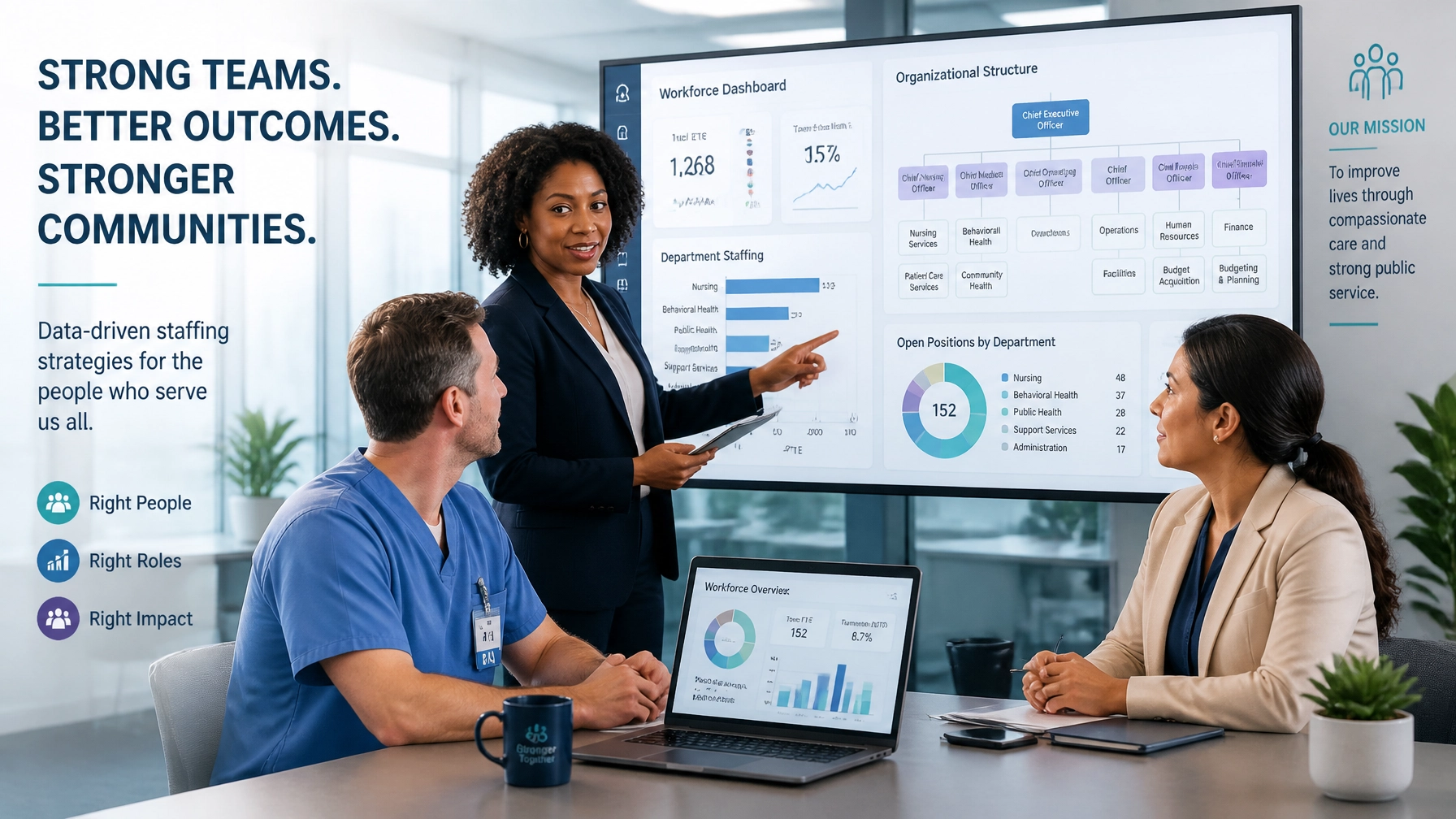
    Diverse team following a Black veteran executive as part of a leadership development program.

  • How to Improve Organizational Culture Without Increasing Your Budget (Easy Guide for Executives)

    How to Improve Organizational Culture Without Increasing Your Budget (Easy Guide for Executives)

    Let’s kill a myth right now: Improving organizational culture does not require a massive line item in your annual budget. You don’t need a ping-pong table, a catered taco Tuesday, or a "nap pod" to create a high-performing team. In fact, most of the flashy perks companies buy are just Band-Aids for a hemorrhaging culture.

    At Legacy Vanguard Scott Group, we’ve seen it time and again: the most resilient, elite cultures aren’t bought; they are built through discipline, clarity, and leadership. If you are an executive looking at a tight fiscal year but realizing your team’s morale and output are dipping, this guide is for you. We’re going to talk about how to ignite a cultural transformation using the assets you already have: your people and your processes.

    The Myth of the "Culture Budget"

    Many leaders confuse "culture" with "employee perks." Culture isn’t what you give your employees; it’s how your employees behave when you aren’t in the room. It’s the "operating system" of your business. When that system is buggy, work slows down, talent leaves, and your time-to-fill for new roles skyrockets because word gets out that your environment is toxic.

    Improving organizational culture is actually about tightening the screws on your leadership development consulting framework. It’s about moving from a state of "ordered chaos" to one of "disciplined execution."

    Diverse executive team using leadership development consulting to help in improving organizational culture.

    1. Establish Commander’s Intent (Strategic Alignment)

    In the military, we use a concept called Commander’s Intent: in the corporate world, we call this Strategic Alignment. This is the most cost-effective way to improve culture because it removes the number one frustration of every employee: "I don't know why I'm doing this."

    Commander’s Intent is a clear, concise statement of what success looks like at the end of a project. It doesn't tell people how to do their jobs; it tells them what the goal is and why it matters.

    How to implement it for free:

    • Before every major initiative, state the "Intent."
    • Ensure every team member can articulate the "Why" behind their daily tasks.
    • Empower them to make decisions that align with that intent without asking for permission at every turn.

    When people understand the mission, they feel a sense of ownership. Ownership is the foundation of an empowering culture.

    2. Master the After-Action Review (Strategic Debrief)

    One of the biggest culture-killers is the "Blame Game." When something goes wrong, a weak culture looks for someone to fire. A legacy-building culture looks for a way to learn.

    The After-Action Review (AAR): or Strategic Debriefing: is a structured process for analyzing what happened, why it happened, and how it can be done better next time. It costs zero dollars and yields a massive return on investment.

    The Rules of a Strategic Debrief:

    1. Leave the rank at the door. Whether you are the CEO or an intern, your input is valid.
    2. Focus on the "What," not the "Who." We aren't here to finger-point; we’re here to fix the process.
    3. End with actionable changes. If the debrief doesn't result in a process update, it was just a meeting.

    By normalizing the AAR, you foster an environment of transparency and continuous improvement. This is how you achieve measurable behavior change across the board.

    Diverse business leaders conducting a strategic debrief to improve transparency and organizational culture.

    3. Define Your Rhythm of Battle (Operational Rhythm)

    Chaos is expensive. When your team is constantly reacting to "fires," they burn out. Burnout is a culture killer and a budget drainer. To fix this, you need to establish a Rhythm of Battle: or an Operational Rhythm.

    This is simply the cadence of your communication. It’s knowing when the meetings are, what the purpose of each meeting is, and what the "decision rights" (who has the final say) are for every stakeholder.

    How to harden your Operational Rhythm:

    • Audit your meetings. If a meeting doesn't have a clear agenda and a required outcome, cancel it.
    • Standardize reporting. Use the same format for updates so everyone can digest information quickly.
    • Respect the "Quiet Hours." Give your team time to actually do the work you’re paying them for.

    A disciplined rhythm creates a sense of security. When people know what to expect, they can perform at an "Apex" level.

    4. Radical Accountability and Transparency

    You cannot have a high-performance culture without accountability. Period. If your top performers see low performers getting away with sub-standard work, your culture will rot from the inside out.

    Accountability doesn't cost a dime, but it requires courage. It requires executive coaching to ensure leaders are comfortable having difficult conversations.

    Low-cost moves for transparency:

    • Share the "Scoreboard." Let people see the KPIs. If the company is winning, let them feel that win. If it’s losing, let them feel the urgency to pivot.
    • Open the Floor. Host "Ask Me Anything" sessions. When leadership is transparent about challenges, the team feels trusted. Trust is the currency of a great culture.

    5. Invest in Mentorship, Not Just Training

    While high-level leadership development consulting is a strategic investment, you can start moving the needle internally through mentorship.

    Identify your "culture carriers": the people who embody your values: and pair them with newer hires. This peer-to-peer skill sharing builds social bonds that increase job happiness and retention. It ensures your "legacy" is passed down through the ranks, rather than lost in a digital employee handbook that no one reads.

    Professional mentorship between diverse employees to build a legacy and strengthen organizational culture.

    6. Audit Your Onboarding (Strategic Recruiting)

    Culture starts before day one. If your recruiting process is messy, your new hires will enter the building with a "wait and see" attitude.

    Refine your strategic recruiting solutions to screen for "culture-add" rather than just "culture-fit." Look for people who bring the discipline and standards you want to elevate. Ensure your onboarding process isn't just about paperwork, but about indoctrination into the mission and values of the Legacy Vanguard Scott Group mindset.

    Conclusion: Building a Legacy is a Choice

    Improving organizational culture isn't a financial challenge; it's a leadership challenge. It requires you to stop looking for external fixes and start looking at the internal "operating system" of your team.

    When you prioritize Strategic Alignment, normalize the Strategic Debrief, and enforce a disciplined Operational Rhythm, you create an environment where high-performers thrive. You build a brand that attracts top-tier talent and retains them because they feel part of something bigger than a paycheck.

    You don't need a bigger budget to lead with excellence. You just need a higher standard.

    Who’s ready to harden their culture and build a legacy? 🔥 🌐 https://www.legacyvanguardscott.com/ 🌐