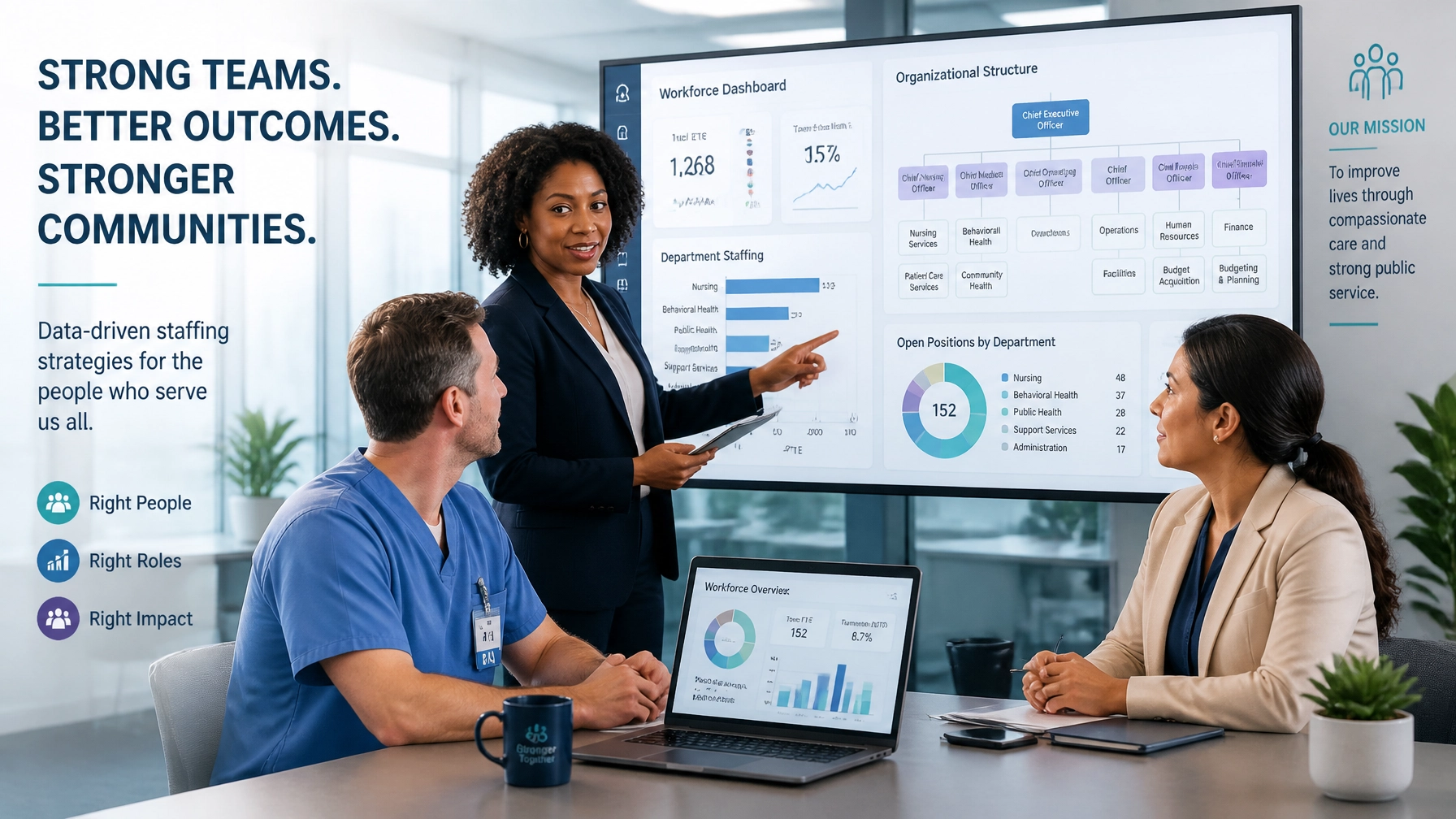
For healthcare administrators and public-sector executives, staffing isn’t just a line item: it is the heartbeat of your mission. When vacancies persist and supervision wavers, the quality of care and service erodes. Most organizations recognize the need for an HR staffing audit, but few realize that a poorly executed audit can actually bake inefficiency into your Operating System (the core framework of organizational rules and processes).
At Legacy Vanguard Scott Group (LVSG), we believe that an audit should do more than just count heads; it should ignite a transformation that hardens your culture and builds a lasting legacy. Whether you are a veteran-owned small business or a mid-sized healthcare facility, avoiding these seven common pitfalls will help you transition from a reactive "hiring fire drill" to an Auditable Staffing Engine (a structured, repeatable process for predictable hiring).
Let’s dive into the common mistakes that might be stalling your growth and how to fix them with military-inspired rigor.
1. Falling into the "Headcount Trap"
Many audits focus solely on the number of open seats. This is a surface-level approach that ignores the Operational Rhythm (also known as the Rhythm of Battle: the synchronized schedule of organizational activities).
The Mistake: Counting "filled" vs. "unfilled" positions without assessing workload, skill mix, or patient volume. You might have a "full" team that is fundamentally misaligned with the actual work required, leading to burnout and hidden vacancies where staff are physically present but operationally unavailable.
The Fix: Align your audit with your current service requirements. Ensure you have the right mix of senior specialists and support staff to handle peak loads. An audit should measure the output of the team, not just the names on the roster.
2. Operating Without Strategic Alignment
In the military, we call this Strategic Alignment (or Commander’s Intent: the clear, concise statement of what the mission must achieve). If your HR team doesn’t know the ultimate goal of a specific role, they will hire for skills but miss on culture and purpose.

The Mistake: Using outdated job descriptions that haven’t been updated in years. If the job description doesn’t reflect the current reality of the role, your recruitment efforts will bring in candidates who are destined to fail: resulting in costly turnover.
The Fix: Every role must be tied to a specific outcome. Review and rewrite job descriptions during the audit to ensure they reflect the Decision Rights (the clear authority and responsibility assigned to a role) necessary for success in today’s environment.
3. Treating Compliance as a Suggestion
In regulated industries like healthcare and the public sector, compliance isn't just about paperwork: it’s about protecting your people and your reputation.
The Mistake: Failing to conduct "primary-source verification" for licenses, certifications, and background checks. Assuming a candidate's credentials are up to date because they were verified three years ago is a high-risk gamble.
The Fix: Build a "Zero-Trust" verification process into your staffing audit. Automate the tracking of expiration dates for RN, LPN, and other critical certifications. For more on how to structure these high-standard operations, check out our Capabilities Statement.
4. Miscalculating the Cost of Misclassification
Your Operating System can be drained by administrative friction if you aren't careful with how you classify your workforce.

The Mistake: Misclassifying employees as independent contractors or incorrectly labeling staff as "exempt" from overtime. Small and mid-size businesses often face massive back-pay liabilities and legal fees because of these "innocent" errors.
The Fix: Use the audit to conduct a deep dive into FLSA status and contractor roles. Ensure that everyone’s classification matches their actual day-to-day duties. This reduces organizational friction: leading to a more stable and predictable budget.
5. Ignoring the Onboarding "Friction"
Staffing stability doesn't end on day one. If your audit stops at the point of hire, you are missing the most critical phase of retention.
The Mistake: Neglecting to audit the onboarding experience. If new hires feel "thrown into the job" without a clear orientation or mentor, they will likely leave within the first 90 days.
The Fix: Evaluate your onboarding through the lens of Culture-Aligned Outcomes. Ask: "Does our onboarding process empower the new hire to lead with confidence immediately?" If not, it’s time to redesign the experience. You can find specialized tools for this in our Services section.
6. Skipping the Strategic Debrief
True leadership requires accountability and the humility to learn from mistakes. In the civilian world, we call this a Strategic Debrief (known in military circles as an AAR or After-Action Review: a professional discussion of an event focused on performance standards).

The Mistake: Failing to analyze why certain positions take forever to fill or why certain departments have higher turnover. Without a debrief, you are doomed to repeat the same hiring mistakes.
The Fix: After every major hiring cycle or audit, gather the key players for a focused debrief. Identify what worked, what failed, and what must change for the next "battle." This discipline is what separates high-performing organizations from those that are merely surviving.
7. Relying on "Gut Feelings" Instead of Data
An Auditable Staffing Engine is built on hard data, not intuition.
The Mistake: Making staffing decisions based on who seems "busy" or who complains the loudest. This leads to uneven workloads and resentment among high-performers.
The Fix: Implement standardized metrics like "time-to-fill," "cost-per-hire," and "retention-by-source." When you have a clear, data-driven picture of your staffing landscape, you can make strategic recruiting decisions that strengthen your team’s core.

Strengthening the Core
An HR staffing audit shouldn't be a box-ticking exercise that ends up in a dusty drawer. It is a vital tool to elevate your leadership and strengthen your organizational culture. By moving away from reactive hiring and toward a disciplined, auditable system, you protect your service quality and reduce the costs of lost productivity.
Are you ready to move beyond the "headcount check" and build a workforce that lasts? Our team at Legacy Vanguard Scott Group specializes in helping organizations like yours navigate these complexities.
Who’s ready to harden their culture and build a legacy? 🔥 🌐 https://www.legacyvanguardscott.com/ 🌐
Leave a Reply